
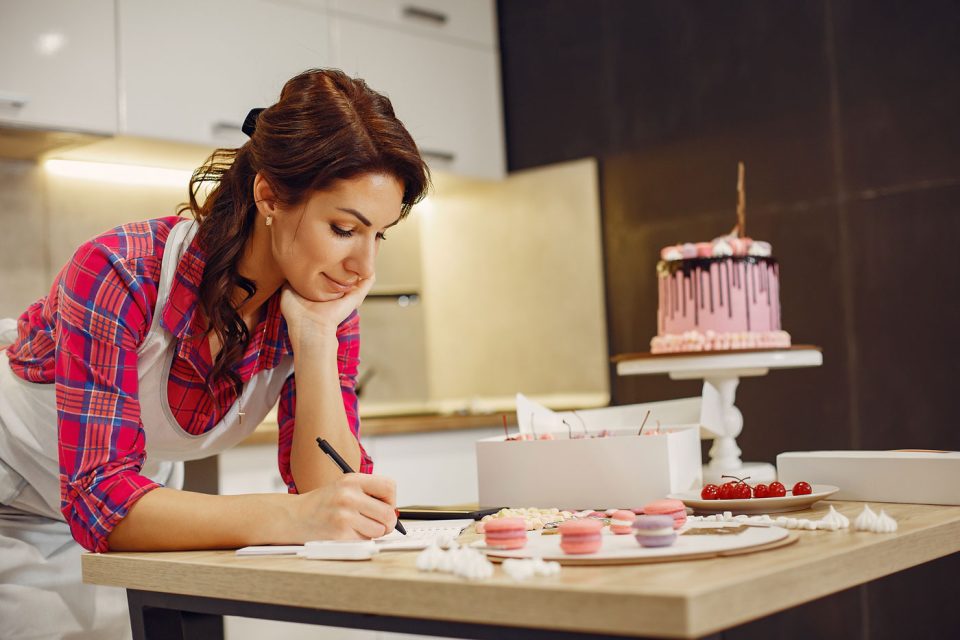
Bakery and cake have been an integral part of culinary culture for centuries, delighting taste buds and bringing people together for celebrations, cozy moments, and indulgent treats. The world of baking extends far beyond just creating desserts; it’s an art, a science, and a craft that combines ingredients, technique, and creativity. From classic sponge cakes to artisanal breads and themed pastries, bakeries offer a wide range of flavors, textures, and experiences that cater to all kinds of dessert lovers.
The Evolution of Bakeries
Bakeries have come a long way from simple neighborhood shops selling fresh bread. Historically, baking was a domestic activity, with families crafting breads, pies, and cakes from scratch. The rise of commercial bakeries in the 19th and 20th centuries transformed this craft into a thriving business, introducing standardized recipes, mass production, and a variety of baked goods that are now accessible worldwide.
Modern bakeries are more than just places to buy bread or sweets. They are spaces where culinary innovation meets tradition. Many bakeries now focus on artisanal quality, organic ingredients, and sustainable practices, reflecting a growing consumer demand for authenticity and craftsmanship in baked goods.
Popular Types of Cakes
Cakes are often considered the crown jewel of any bakery. They vary widely in style, flavor, and complexity, catering to different occasions and tastes. Some popular types of cakes include:
- Sponge Cake: Light and airy, often used as a base for layered cakes and decorated with buttercream or fruit.
- Cheesecake: A creamy dessert made from cream cheese, eggs, and sugar, often baked or set with gelatin.
- Chocolate Cake: Rich and indulgent, available in various forms such as molten lava, fudge, or layered chocolate sponge.
- Carrot Cake: Moist and flavorful, often paired with cream cheese frosting and sometimes including nuts or raisins.
- Red Velvet Cake: Known for its vibrant color and smooth cream cheese frosting, combining subtle chocolate flavor with a visually appealing presentation.
Specialty bakeries often experiment with fusion flavors, seasonal ingredients, and decorative themes to offer unique cake experiences that stand out in a crowded market.
The Science Behind Baking
Baking is not just about mixing ingredients—it’s a precise science. Understanding how ingredients interact is essential for creating perfect cakes and pastries.
- Flour: Provides structure; different types of flour influence texture and density.
- Sugar: Adds sweetness, contributes to browning, and affects moisture retention.
- Eggs: Bind ingredients and help with leavening, contributing to the cake’s rise and texture.
- Fats (Butter, Oil, or Shortening): Add moisture, richness, and tenderness.
- Leavening Agents (Baking Powder, Baking Soda): Help cakes rise by creating air pockets in the batter.
Temperature, timing, and technique also play crucial roles. Overmixing, incorrect oven temperatures, or insufficient baking time can lead to cakes that are dense, dry, or unevenly baked. Experienced bakers combine scientific knowledge with hands-on practice to perfect each creation.
Trends in Modern Bakeries
The bakery industry continues to evolve, responding to consumer preferences and lifestyle trends. Some notable trends include:
- Health-Conscious Baking: Gluten-free, vegan, and low-sugar cakes are gaining popularity among consumers seeking healthier alternatives without compromising flavor.
- Artisanal and Custom Cakes: Handcrafted cakes with unique designs, intricate decorations, and bespoke flavors are highly sought after for weddings, birthdays, and corporate events.
- Sustainability Practices: Bakeries are increasingly adopting eco-friendly packaging, reducing food waste, and sourcing locally grown ingredients.
- Global Fusion Flavors: Integrating international flavors such as matcha, chai, or tropical fruits into traditional cakes and pastries has become popular among adventurous eaters.
- Interactive Experiences: Some bakeries offer baking workshops, cake decorating classes, and tasting events to engage customers and build brand loyalty.
These trends reflect the shift toward experiential, ethical, and personalized consumption, highlighting how bakeries are more than just food outlets—they are lifestyle destinations.
Essential Tips for Baking at Home
While professional bakeries offer expertise and high-quality products, baking at home can be equally rewarding. Here are some tips to achieve bakery-level results:
- Measure Ingredients Accurately: Baking is precise; even small deviations can affect the outcome. Use a digital scale for consistency.
- Room Temperature Ingredients: Eggs, butter, and dairy should be at room temperature for better mixing and texture.
- Preheat the Oven: Always ensure the oven is at the correct temperature before baking to avoid uneven cooking.
- Don’t Overmix: Overmixing batter can lead to dense cakes. Mix until ingredients are just combined.
- Use Proper Pans: Different cakes require specific pans; using the wrong one can affect shape, cooking time, and texture.
Experimenting with flavors and decorations allows home bakers to explore creativity while enjoying the therapeutic process of baking.
The Role of Bakeries in Community and Culture
Bakeries often serve as cultural hubs, reflecting regional tastes and traditions. In many cultures, baked goods are integral to celebrations, religious ceremonies, and everyday life. For instance, French patisseries are renowned for their delicate pastries like croissants and éclairs, while Italian bakeries focus on biscotti and panettone. Local bakeries often preserve traditional recipes passed down through generations, connecting communities to their culinary heritage.
Beyond tradition, bakeries foster social interaction. Cafés attached to bakeries encourage people to gather, work, and socialize over coffee and fresh pastries, creating spaces where food and community intersect.
Choosing the Right Bakery
Selecting a bakery can make a significant difference, especially when purchasing cakes for special occasions. Consider the following factors:
- Quality of Ingredients: Opt for bakeries that use fresh, high-quality, and preferably locally sourced ingredients.
- Range of Products: A diverse selection of cakes, pastries, and breads can indicate expertise and versatility.
- Customer Reviews: Feedback from previous customers can provide insight into consistency, taste, and service.
- Customization Options: For special occasions, bakeries that offer tailored designs and flavors enhance the overall experience.
- Hygiene and Presentation: Cleanliness, organized displays, and attractive presentation are indicators of a professional bakery.
Making an informed choice ensures that every baked purchase meets expectations and delivers enjoyment to consumers.
Baking as a Career
The bakery and cake industry is not only for enthusiasts; it offers viable career opportunities. Aspiring bakers can explore paths such as:
- Pastry Chef: Specializes in cakes, pastries, and desserts, often working in restaurants, hotels, or luxury bakeries.
- Artisan Baker: Focuses on breads, sourdough, and traditional baking techniques.
- Cake Decorator: Creates visually stunning cakes for weddings, events, and special occasions.
- Bakery Owner: Combines culinary skills with business management to run a successful bakery.
Training programs, culinary schools, and apprenticeships equip individuals with technical skills, creativity, and knowledge of food safety standards, preparing them for a dynamic and rewarding industry.
Conclusion
The world of bakery and cake is rich, diverse, and ever-evolving. From classic baked goods to innovative flavor combinations, bakeries bring joy, creativity, and culture into everyday life. Whether visiting a professional bakery, experimenting in your kitchen, or pursuing a career in baking, the possibilities are as limitless as the imagination of those who craft these sweet delights. Each loaf of bread, each slice of cake, and each delicate pastry is a testament to the artistry and science behind baking, connecting us through taste, tradition, and shared enjoyment.
FAQs About Bakery & Cake
1. What is the difference between a bakery and a patisserie?
A bakery typically produces bread, cakes, and pastries, often in larger quantities for everyday consumption. A patisserie is more specialized, focusing on delicate, often French-style pastries and desserts with intricate designs and techniques.
2. Can I bake cakes without eggs or dairy?
Yes, vegan baking substitutes eggs with flaxseeds, chia seeds, or commercial egg replacers, and dairy can be replaced with plant-based milk or margarine. Many bakeries now offer vegan options that do not compromise on taste or texture.
3. How do I make a cake moist and fluffy?
Key factors include using the right amount of fat, not overmixing the batter, ensuring proper oven temperature, and incorporating leavening agents like baking powder. Ingredients at room temperature also improve texture.
4. What are trending cake flavors in modern bakeries?
Trendy flavors include matcha, salted caramel, tropical fruits like passion fruit and mango, espresso, and innovative combinations like chocolate-chili or lavender-honey. Seasonal fruits and spices are also popular.
5. How long do cakes and pastries stay fresh?
Freshly baked cakes can last 2-3 days at room temperature if stored properly, while pastries may stay fresh 1-2 days. Refrigeration can extend shelf life, but some textures may change. Freezing is also an option for longer storage.
6. Can I decorate cakes at home like professional bakeries?
With practice and the right tools, you can achieve professional-looking decorations at home. Piping bags, fondant, edible colors, and stencils allow home bakers to create stunning designs.
