
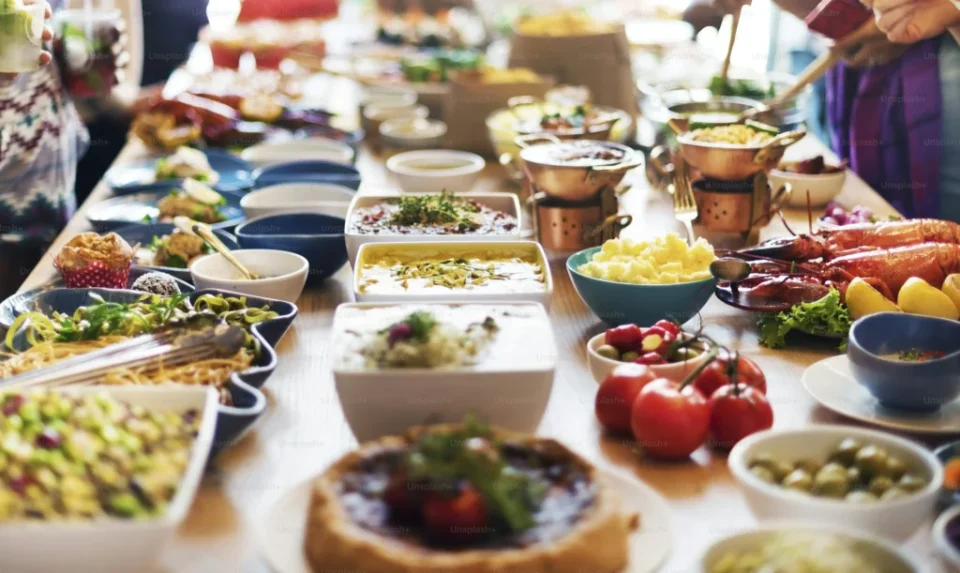
Catering is an essential aspect of hosting any event, whether it’s a wedding, corporate gathering, birthday party, or private celebration. A well-executed catering service ensures that guests are treated to not only delicious food but also a seamless dining experience that complements the event’s theme and atmosphere. In this comprehensive guide, we will explore the different types of catering services, key considerations when choosing a caterer, menu planning strategies, and trends shaping the catering industry today.
Understanding Catering Services
Catering services involve preparing and delivering food and beverages for various occasions. Modern catering goes beyond just providing meals—it’s about creating a memorable culinary experience. Caterers offer expertise in menu planning, food presentation, event coordination, and sometimes even full-service staffing.
Types of Catering Services
Catering services can be broadly categorized based on the nature of the event and the level of service provided:
- Corporate Catering: Designed for business meetings, conferences, product launches, and office parties. These services often include buffet-style meals, boxed lunches, or elegant plated dinners. Professionalism, punctuality, and menu customization are crucial for corporate events.
- Social Event Catering: Includes weddings, birthdays, anniversaries, and baby showers. Social event catering focuses heavily on presentation, thematic menus, and creating a memorable experience for guests.
- Concession or Mobile Catering: Food trucks, pop-up kitchens, and festival-style catering cater to casual events or outdoor gatherings. Flexibility and portability are key components of this catering type.
- Specialty Catering: Focuses on niche cuisines or dietary preferences, such as vegan, gluten-free, or ethnic cuisines. Specialty caterers often provide unique menu items that cannot be easily replicated by standard caterers.
Benefits of Hiring Professional Catering Services
Opting for a professional catering service offers numerous advantages:
- Time and Stress Management: Planning an event can be overwhelming. Caterers handle food preparation, setup, and cleanup, allowing hosts to focus on other aspects of the event.
- Expert Menu Planning: Professional caterers craft menus that suit the event’s theme, guest demographics, and dietary requirements. They also suggest portion sizes to minimize food waste.
- Consistent Quality: Experienced caterers maintain high food quality standards, ensuring taste, texture, and presentation meet expectations.
- Enhanced Guest Experience: Well-presented dishes, attentive service staff, and organized meal setups elevate the overall guest experience, making events more memorable.
Key Considerations When Choosing a Caterer
Selecting the right caterer requires careful evaluation. Here are factors to consider:
- Experience and Reputation: Look for caterers with positive reviews, industry recognition, and a track record of successful events.
- Menu Flexibility: Caterers should accommodate dietary restrictions, cultural preferences, and seasonal ingredients.
- Presentation and Service Style: The style of service—plated, buffet, family-style, or cocktail reception—should align with your event’s tone.
- Pricing and Packages: Understand what is included in the pricing, such as staff, equipment, tableware, and taxes. Transparent pricing avoids hidden costs.
- Tasting Sessions: A tasting allows hosts to sample dishes and make informed decisions about menu selection.
- Licensing and Insurance: Ensure the caterer adheres to food safety regulations and carries the necessary licenses and insurance coverage.
Menu Planning and Trends in Catering
Menu planning is at the heart of successful catering. Beyond taste, the menu reflects creativity, seasonal availability, and dietary inclusivity. Current trends in catering include:
- Interactive Food Stations: Live cooking stations for pasta, sushi, or tacos engage guests and add a dynamic element to the dining experience.
- Health-Conscious Options: With a growing focus on wellness, caterers are offering organic, low-carb, plant-based, and locally sourced menu items.
- Ethnic and Fusion Cuisines: Incorporating global flavors and fusion dishes caters to adventurous palates and provides a unique event experience.
- Sustainable Practices: Eco-friendly catering includes compostable tableware, minimal food waste strategies, and locally sourced ingredients.
- Customized Desserts: Personalized desserts, dessert buffets, and edible branding (like logos on cakes or cookies) enhance the overall aesthetic of events.
Event Coordination and Catering Logistics
Successful catering requires meticulous planning and coordination. Caterers often manage:
- Venue Setup: Arranging tables, linens, serving stations, and decor to match the event theme.
- Staffing: Hiring and training waitstaff, chefs, and bartenders to provide seamless service.
- Food Safety: Ensuring proper storage, preparation, and serving temperatures to prevent contamination.
- Timing: Coordinating food service with the event schedule so that meals are served fresh and on time.
Cost Factors in Catering
Catering costs vary based on several elements:
- Number of Guests: More guests typically increase food, staff, and equipment requirements.
- Menu Complexity: Exotic ingredients, multiple courses, and specialty items raise the overall price.
- Service Level: Full-service catering with waitstaff and elaborate setup costs more than drop-off catering.
- Event Location: Venue restrictions, travel fees, or offsite locations may add to the expense.
Tips for Maximizing Catering Efficiency
To ensure a smooth catering experience, hosts should:
- Plan Ahead: Confirm guest count, menu, and service style well in advance.
- Communicate Clearly: Provide caterers with all event details, dietary restrictions, and timing requirements.
- Conduct Site Visits: Visit the venue to identify kitchen facilities, space for food stations, and logistical challenges.
- Request References: Speaking with past clients can provide insights into the caterer’s reliability and quality.
Innovations in Catering Technology
Modern catering businesses increasingly leverage technology to enhance service delivery:
- Online Ordering Platforms: Simplify menu selection, deposits, and event management.
- Inventory and Waste Management Systems: Optimize food preparation, reduce waste, and improve cost efficiency.
- Event Apps: Mobile apps allow guests to RSVP, select meal preferences, and provide feedback, making catering more interactive.
Catering for Different Event Types
Catering strategies differ depending on the type of event:
- Weddings: Emphasize elegant presentation, multi-course meals, and personalized menu options.
- Corporate Events: Focus on efficiency, professionalism, and accommodating various dietary preferences.
- Birthday Parties: Often include themed menus, fun presentation styles, and kid-friendly options.
- Outdoor Events: Require portable equipment, weather contingency plans, and durable food packaging.
Conclusion
Catering is a vital component of event planning, transforming ordinary gatherings into extraordinary experiences. From menu planning and staff coordination to food presentation and service, professional caterers ensure every aspect of dining meets high standards. By understanding catering types, trends, and best practices, hosts can select the right caterer and elevate their events, leaving lasting impressions on guests.
FAQs about Catering Services
- What should I consider when selecting a caterer for a wedding?
Look for experience with weddings, menu flexibility, presentation skills, tasting sessions, and the ability to accommodate dietary restrictions. - How far in advance should I book a catering service?
For large events, booking 3–6 months in advance is recommended, while smaller gatherings may require 4–6 weeks’ notice. - Can caterers accommodate special dietary needs?
Most professional caterers can provide vegan, gluten-free, kosher, and allergen-free options with prior notice. - What is the difference between full-service and drop-off catering?
Full-service catering includes food preparation, staffing, setup, and cleanup. Drop-off catering only involves delivering prepared meals without additional service. - How do caterers handle outdoor events?
They use portable cooking equipment, insulated containers, weatherproof setups, and menu items suitable for outdoor serving. - Are tasting sessions necessary before finalizing a menu?
Yes, tasting sessions allow hosts to evaluate flavors, presentation, and portion sizes before confirming the menu. - What are common trends in modern catering?
Interactive food stations, fusion cuisine, plant-based options, sustainable practices, and personalized desserts are popular trends shaping the industry today.
This article provides a thorough, research-backed guide to catering services, offering insights for hosts, planners, and anyone looking to elevate their next event with expert culinary experiences.
