
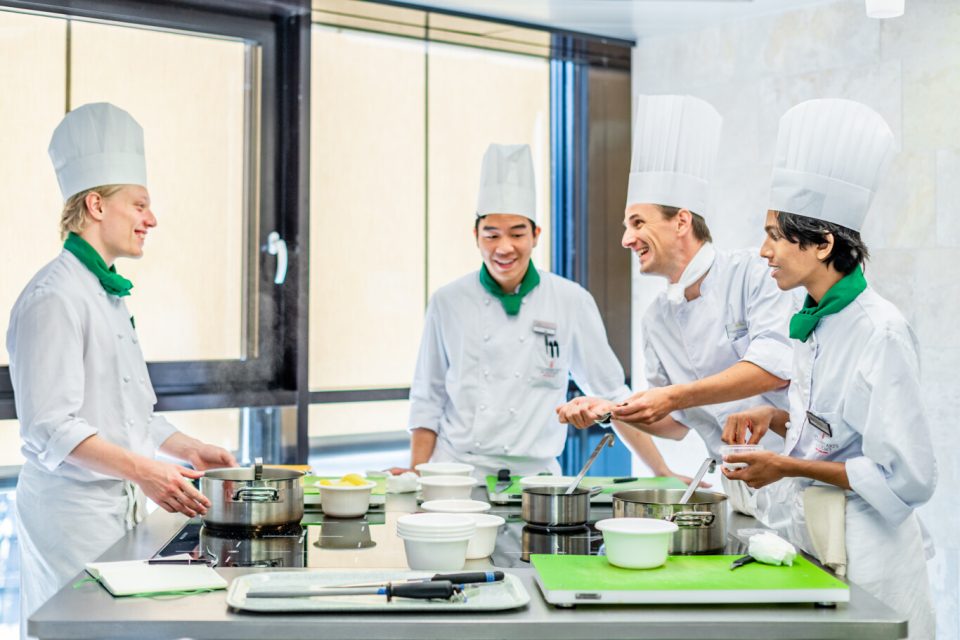
A chef is more than just someone who prepares food; they are artists, innovators, and leaders in the culinary world. From orchestrating kitchen operations to crafting menus that delight the senses, chefs play a pivotal role in shaping the dining experience. Whether in a fine-dining restaurant, a casual eatery, or catering services, chefs are the driving force behind every successful culinary establishment. This comprehensive guide explores the career of a chef, the skills required, the responsibilities they shoulder, and the latest trends transforming this dynamic profession.
Understanding the Role of a Chef
At its core, a chef is responsible for preparing, designing, and presenting dishes that are not only flavorful but also visually appealing. However, their role extends far beyond cooking. A chef manages kitchen staff, maintains quality control, ensures food safety, and often contributes to the business aspects of a restaurant, such as budgeting and inventory management.
Types of Chefs
The culinary industry features several specialized chef roles, each with unique responsibilities:
- Executive Chef (Chef de Cuisine): The leader of the kitchen, responsible for menu creation, kitchen management, and overall culinary direction. Executive chefs oversee the entire operation, from sourcing ingredients to training staff.
- Sous Chef: Second-in-command, assisting the executive chef with daily operations, staff supervision, and quality control. They often step in when the executive chef is unavailable.
- Pastry Chef (Pâtissier): Specializes in desserts, pastries, and baked goods, creating visually stunning and flavorful sweets.
- Line Chef (Chef de Partie): Manages a specific station within the kitchen, such as sauces, grills, or vegetables, ensuring consistency and efficiency during service.
- Personal or Private Chef: Prepares meals for private clients or families, often customizing menus according to dietary preferences and occasions.
- Research and Development Chef: Focuses on creating new recipes, experimenting with flavors, and innovating menus to meet market trends and customer demands.
Essential Skills Required for Chefs
Becoming a successful chef requires a combination of technical skills, creativity, and leadership qualities:
- Culinary Expertise: Mastery of cooking techniques, flavor combinations, and food presentation is fundamental.
- Time Management: Chefs must prepare multiple dishes simultaneously while maintaining quality and timeliness.
- Leadership and Team Management: Effective chefs lead kitchen staff, delegate tasks, and foster a collaborative environment.
- Creativity and Innovation: Crafting unique dishes and experimenting with new ingredients keeps menus fresh and exciting.
- Knowledge of Nutrition and Diet: Understanding dietary needs and nutritional content allows chefs to cater to diverse clientele.
- Adaptability: Kitchens are fast-paced and unpredictable; chefs must remain calm under pressure and adjust to sudden changes.
Education and Career Path
While some chefs learn through apprenticeships and on-the-job training, formal culinary education can accelerate career growth. Many aspiring chefs attend culinary schools to gain foundational knowledge in cooking techniques, kitchen management, and food science. Career progression often follows a path from line chef to sous chef and ultimately to executive chef, although some may choose specialized roles in pastry, catering, or food development.
Responsibilities of a Chef
A chef’s daily duties vary depending on their role and the establishment but typically include:
- Menu Planning: Designing seasonal menus, selecting ingredients, and balancing flavors to create appealing dishes.
- Ingredient Sourcing: Procuring fresh, high-quality ingredients from trusted suppliers and maintaining inventory control.
- Food Preparation and Cooking: Ensuring all dishes meet quality standards, both in taste and presentation.
- Kitchen Management: Supervising staff, organizing workflows, and ensuring smooth operations during service hours.
- Maintaining Hygiene and Safety Standards: Following health regulations, proper food storage, and sanitation practices.
- Cost Management: Monitoring food costs, minimizing waste, and optimizing kitchen efficiency.
- Customer Interaction: Occasionally engaging with diners, receiving feedback, and adapting menus to meet expectations.
Modern Trends in the Culinary World
The culinary profession is evolving with global influences, technological advancements, and changing consumer preferences. Key trends include:
- Farm-to-Table Movement: Emphasizing fresh, locally sourced ingredients to enhance flavor and sustainability.
- Plant-Based and Vegan Cuisine: Increasing demand for vegetarian, vegan, and plant-forward dishes is reshaping menus.
- Global Fusion Cuisine: Chefs are blending international flavors to create innovative, culturally inspired dishes.
- Technology in the Kitchen: Tools like sous-vide machines, smart ovens, and kitchen management software are enhancing efficiency and precision.
- Sustainable Practices: Reducing food waste, utilizing eco-friendly packaging, and sourcing ethically are becoming standard practices in modern kitchens.
- Interactive Dining Experiences: Chefs are engaging diners through open kitchens, chef’s tables, and live cooking demonstrations.
Challenges Faced by Chefs
While rewarding, the profession comes with its set of challenges:
- Long Hours and Physical Demands: Chefs often work late nights, weekends, and holidays while standing for extended periods.
- High-Pressure Environment: Maintaining consistency during peak service hours can be stressful.
- Financial Pressures: Balancing quality and cost-efficiency is crucial for profitability in restaurant operations.
- Keeping Up with Trends: Chefs must continuously learn new techniques and adapt to evolving consumer preferences.
Career Opportunities Beyond Restaurants
Chefs today have multiple avenues to expand their careers beyond traditional restaurant settings:
- Culinary Media: Appearing on cooking shows, YouTube channels, and food blogs.
- Catering and Private Events: Offering bespoke culinary experiences for weddings, parties, and corporate gatherings.
- Consultancy: Advising restaurants, hotels, and food brands on menu development and kitchen operations.
- Product Development: Creating recipes, sauces, or packaged food products for commercial sale.
- Education: Teaching at culinary schools or conducting cooking workshops for aspiring chefs.
Conclusion
The role of a chef encompasses far more than cooking—it is a blend of art, science, leadership, and innovation. Chefs are central to the culinary experience, transforming ingredients into memorable dishes that delight the senses. With dedication, creativity, and continuous learning, chefs can achieve remarkable career growth while leaving a lasting impact on the food industry.
FAQs about Chefs and Culinary Careers
- What is the difference between a chef and a cook?
A chef typically holds a leadership role, involved in menu creation, kitchen management, and food innovation, whereas a cook primarily focuses on food preparation under a chef’s supervision. - How long does it take to become a professional chef?
With formal education, it can take 2–4 years for foundational training, followed by apprenticeships and on-the-job experience to advance into senior roles. - Are formal culinary schools necessary to become a chef?
While helpful for technical skills and career acceleration, many chefs succeed through apprenticeships and hands-on experience. - What are essential qualities of a successful chef?
Creativity, leadership, attention to detail, time management, and adaptability are crucial for thriving in a professional kitchen. - Can chefs specialize in specific cuisines?
Yes, many chefs focus on specialties such as Italian, French, Japanese, vegan, or pastry, which allows them to refine techniques and gain recognition in their niche. - How do chefs keep up with industry trends?
Attending workshops, culinary expos, networking with peers, following culinary publications, and experimenting with new techniques help chefs stay current. - What is the average work environment for a chef?
Chefs often work in high-energy, fast-paced environments with long hours, requiring physical stamina, teamwork, and effective stress management.
This detailed guide provides a thorough overview of chefs, highlighting their essential roles, skills, responsibilities, and career opportunities in the dynamic world of culinary arts.
