
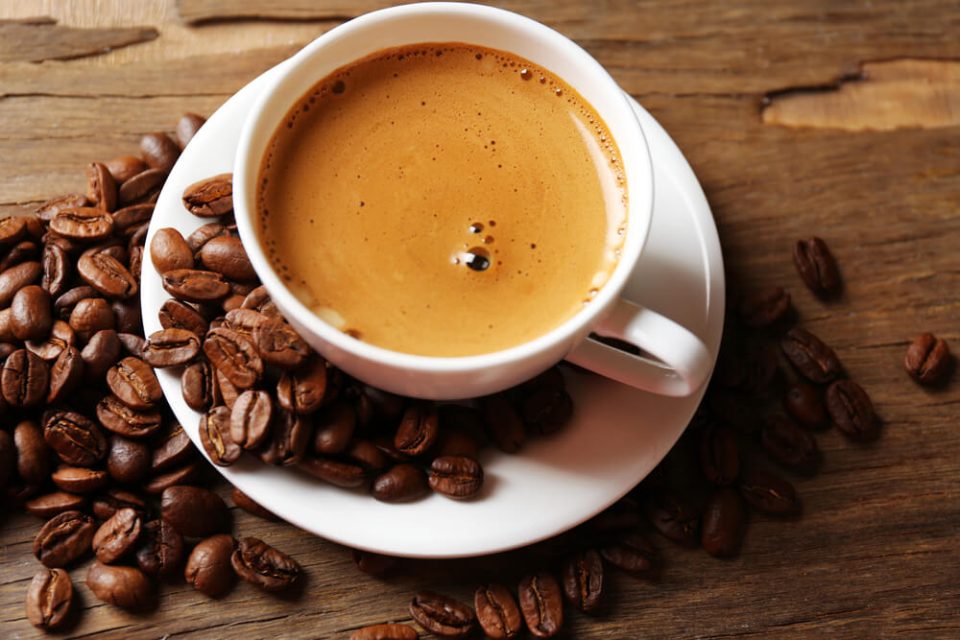
Coffee has long been more than just a morning ritual; it’s a cultural phenomenon, a global industry, and a beloved beverage enjoyed by millions worldwide. From small, cozy cafes to large-scale commercial roasters, coffee has found its way into the hearts and routines of people from all walks of life. This article delves into the rich history, types, brewing methods, health benefits, and cultural significance of coffee, offering a comprehensive guide for enthusiasts and casual drinkers alike.
The Origins of Coffee
Coffee traces its roots back centuries to the ancient coffee forests of Ethiopia. Legend has it that a goat herder named Kaldi discovered coffee after noticing that his goats became unusually energetic after eating the berries from a particular plant. By the 15th century, coffee cultivation and trade had spread to the Arabian Peninsula, where Yemen became the center of coffee culture.
From the Middle East, coffee made its way to Europe in the 17th century, quickly becoming popular in coffeehouses that served as hubs for intellectual discussion, business dealings, and social interaction. By the 18th century, coffee plantations had emerged in the Caribbean, South America, and Asia, establishing the beverage as a global commodity.
Coffee Plant Varieties
Coffee is primarily derived from two species of plants: Coffea arabica and Coffea canephora, commonly known as Robusta. Each variety offers distinct flavor profiles and cultivation requirements.
- Arabica Coffee: Arabica beans are prized for their smooth, nuanced flavor, often featuring hints of fruit and acidity. They grow best at higher elevations with cooler climates and are more susceptible to disease, making them slightly more expensive.
- Robusta Coffee: Robusta beans are hardier and thrive at lower elevations and warmer climates. They contain higher caffeine levels and often have a stronger, more bitter flavor with earthy notes, making them ideal for espresso blends.
Other less common varieties, such as Liberica and Excelsa, contribute unique flavors and are cultivated in limited regions, often prized by coffee connoisseurs for their rarity.
Coffee Processing Methods
Once harvested, coffee beans undergo various processing methods that significantly impact the flavor profile of the final brew.
- Dry (Natural) Process: Beans are dried with the fruit still attached, which allows the coffee to absorb natural sugars and develop a sweeter, more complex taste. This method is traditional in regions like Ethiopia and Yemen.
- Wet (Washed) Process: Beans are separated from the fruit before drying, resulting in a cleaner, brighter cup with pronounced acidity. This method is common in Central and South America.
- Honey Process: A hybrid technique where some fruit is left on the bean during drying, producing a coffee that balances sweetness and acidity, often described as smooth and syrupy.
Popular Coffee Types and Drinks
Coffee culture has evolved to include a diverse range of beverages that cater to different tastes and preferences.
- Espresso: A concentrated shot of coffee brewed by forcing hot water through finely-ground beans. Espresso serves as the foundation for many other drinks, including cappuccinos and lattes.
- Americano: Espresso diluted with hot water, providing a lighter coffee similar in strength to drip coffee.
- Cappuccino: Equal parts espresso, steamed milk, and milk foam, often topped with cocoa powder or cinnamon.
- Latte: Espresso with a larger proportion of steamed milk and a thin layer of foam, offering a creamier taste.
- Cold Brew: Coffee steeped in cold water for 12–24 hours, resulting in a smooth, low-acid beverage perfect for hot weather.
- Turkish Coffee: Finely-ground coffee simmered with water and sugar in a special pot called a cezve, producing a thick, rich drink often served with grounds in the cup.
Brewing Methods and Techniques
The brewing method significantly affects the taste, aroma, and strength of coffee. Different techniques highlight various flavor profiles and cater to personal preferences.
- Drip Coffee Maker: Convenient for daily use, drip machines provide a consistent cup but may lack the nuance of other methods.
- French Press: Coarse coffee grounds are steeped in hot water before pressing a plunger through a mesh filter, producing a full-bodied, robust flavor.
- Pour-Over: Hot water is poured slowly over coffee grounds in a filter, allowing precise control over extraction for a clean, aromatic cup.
- Aeropress: A portable, manual device that uses air pressure to extract coffee, known for versatility and quick brewing.
- Espresso Machine: Uses high pressure to force water through finely-ground coffee, creating a concentrated shot with a rich crema.
Coffee and Health Benefits
Research indicates that moderate coffee consumption can provide several health benefits, making it more than just a pick-me-up beverage.
- Enhanced Mental Alertness: Caffeine, a natural stimulant, improves focus, concentration, and cognitive function.
- Antioxidant Properties: Coffee contains polyphenols and other antioxidants that combat free radicals and reduce inflammation.
- Reduced Risk of Certain Diseases: Studies suggest coffee may lower the risk of Parkinson’s disease, Alzheimer’s disease, type 2 diabetes, and some liver conditions.
- Mood Enhancement: Regular coffee consumption is linked to a lower risk of depression and improved overall mood.
However, excessive consumption may lead to insomnia, jitteriness, and digestive issues, emphasizing the importance of moderation.
Coffee Culture Around the World
Coffee culture varies widely across countries, reflecting local traditions, social norms, and culinary practices.
- Italy: Renowned for espresso culture, Italians enjoy quick, high-quality coffee at local bars throughout the day.
- Ethiopia: Coffee ceremonies are a central social ritual, involving roasting, grinding, and brewing beans in a communal setting.
- Turkey: Turkish coffee is deeply embedded in social and ceremonial life, often accompanied by fortune-telling using coffee grounds.
- United States: Specialty coffee shops and third-wave coffee movements emphasize artisanal brewing, quality beans, and sustainable sourcing.
Tips for the Perfect Cup of Coffee
Achieving the perfect cup of coffee requires attention to bean quality, grind size, water temperature, and brewing technique.
- Use Fresh Beans: Coffee tastes best when brewed within weeks of roasting. Store beans in a cool, dark place.
- Grind Appropriately: Match grind size to brewing method—for example, coarse for French press and fine for espresso.
- Maintain Proper Water Temperature: Ideal brewing temperature ranges from 195–205°F (90–96°C).
- Experiment with Ratios: Adjust coffee-to-water ratios to achieve preferred strength and flavor.
- Clean Equipment Regularly: Residual oils and buildup can alter taste and reduce quality.
Sustainability and Ethical Coffee
With increasing awareness of environmental and social impacts, ethical and sustainable coffee practices are gaining importance.
- Fair Trade Certification: Ensures coffee farmers receive fair compensation and work under safe conditions.
- Organic Coffee: Grown without synthetic fertilizers or pesticides, promoting environmental sustainability.
- Shade-Grown Coffee: Cultivated under natural forest canopies, supporting biodiversity and wildlife conservation.
- Direct Trade: Involves direct sourcing from farmers, often resulting in higher-quality coffee and better livelihoods for producers.
Coffee in Modern Life
Coffee has transcended its role as a simple beverage to become a lifestyle element, influencing social interactions, work habits, and culinary creativity. Cafes provide spaces for remote work, socialization, and community engagement. Specialty coffee trends, including single-origin beans, latte art, and innovative brewing techniques, continue to expand the boundaries of what coffee can offer.
FAQs About Coffee
1. What is the difference between Arabica and Robusta coffee?
Arabica beans are smoother with nuanced flavors, while Robusta beans are stronger, more bitter, and contain higher caffeine levels.
2. How should coffee beans be stored for maximum freshness?
Store beans in an airtight container, away from heat, light, and moisture. Avoid refrigerating or freezing for daily-use beans.
3. What is the healthiest way to drink coffee?
Moderation is key. Avoid excessive sugar, cream, and artificial flavorings. Black coffee or lightly sweetened coffee offers the most health benefits.
4. How long does brewed coffee stay fresh?
Brewed coffee is best consumed within 30 minutes to an hour for optimal flavor. Beyond that, it may taste bitter or stale.
5. Can coffee improve athletic performance?
Yes, caffeine can enhance endurance, strength, and alertness, making it popular among athletes before workouts.
6. What is single-origin coffee?
Single-origin coffee comes from a specific region, farm, or cooperative, offering distinct flavors that reflect the terroir and growing conditions.
7. How does grind size affect coffee taste?
Grind size impacts extraction; too fine can over-extract and taste bitter, while too coarse may under-extract and taste weak. Adjust based on your brewing method.
