
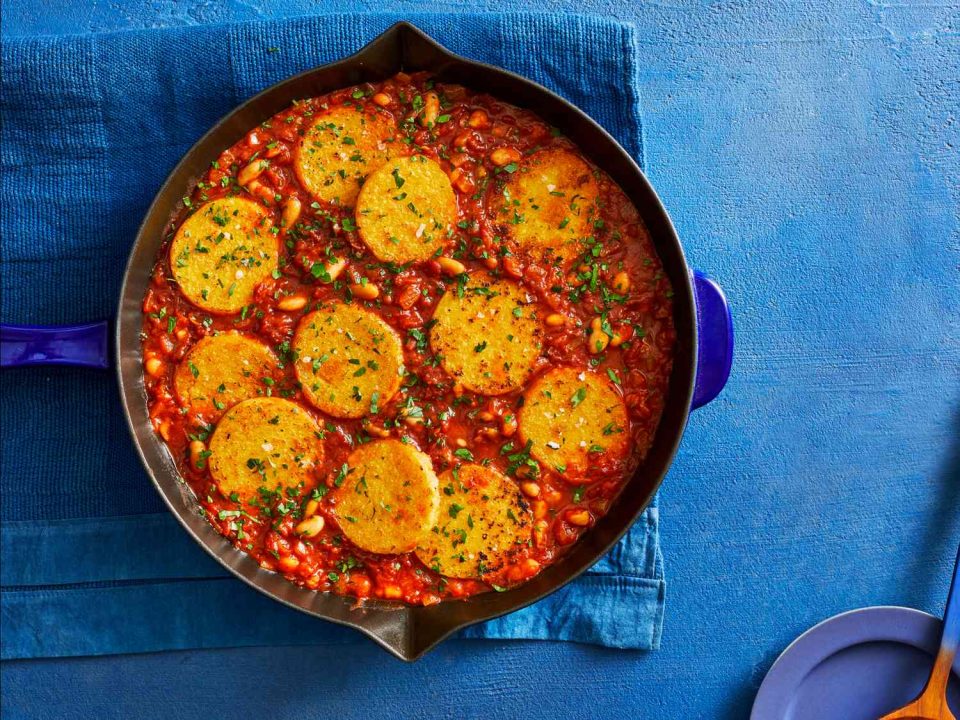
Introduction
Recipes are more than just a list of ingredients and instructions—they are a gateway to creativity, culture, and shared experiences. From traditional family meals to modern culinary experiments, recipes bring people together, inspire innovation, and provide the framework for turning raw ingredients into something extraordinary. Whether you are a novice cook or a seasoned chef, exploring a wide variety of recipes can transform your kitchen into a hub of flavor, nutrition, and culinary adventure.
Why Recipes Matter
Recipes serve as both instruction and inspiration. They guide the cooking process while allowing room for personalization. Beyond the practical aspects, recipes are cultural snapshots, often passed down through generations, reflecting local ingredients, seasonal availability, and family traditions. Learning and experimenting with recipes also helps develop essential cooking skills, including ingredient pairing, timing, and presentation.
Types of Recipes
Recipes come in numerous forms, each suited to different needs, occasions, and skill levels. Here’s a detailed breakdown:
1. Quick and Easy Recipes
These recipes are perfect for busy individuals or families looking for nutritious meals without extensive preparation. Common examples include stir-fries, pasta dishes, and simple salads. They usually require minimal ingredients and can be prepared within 30 minutes. Essential tips for quick recipes include pre-chopping vegetables, using versatile pantry staples, and incorporating one-pot methods to save time on cleanup.
2. Healthy Recipes
With increasing awareness of nutrition, healthy recipes are in high demand. These focus on balanced meals using fresh vegetables, lean proteins, whole grains, and heart-healthy fats. Popular healthy recipe categories include smoothies, grain bowls, roasted vegetables, and plant-based dishes. Key strategies for crafting healthy recipes involve minimizing processed ingredients, controlling portion sizes, and emphasizing nutrient-dense foods.
3. Gourmet Recipes
For those who enjoy the art of fine dining at home, gourmet recipes bring sophisticated flavors, techniques, and presentations into the kitchen. Examples include soufflés, risottos, and intricately plated desserts. Preparing gourmet dishes often requires specialized equipment, precise timing, and high-quality ingredients. However, mastering these recipes can elevate your cooking skills and impress guests at dinner parties.
4. Dessert Recipes
Desserts are a category where creativity truly shines. From classic chocolate cakes to exotic custards and tarts, dessert recipes combine flavors, textures, and visual appeal. Important tips for successful dessert preparation include measuring ingredients accurately, understanding baking temperatures, and mastering decoration techniques. Desserts also allow for experimenting with flavors like citrus, spices, or herbs to create unique confections.
5. International Recipes
Exploring recipes from different cultures not only diversifies your menu but also introduces new flavors and cooking methods. Italian, Japanese, Indian, Mexican, and Middle Eastern recipes each bring unique ingredients, spices, and traditions. Learning international recipes requires an understanding of authentic ingredients, regional cooking techniques, and sometimes, a willingness to adapt based on availability while maintaining the essence of the dish.
Key Ingredients Every Home Cook Should Have
Stocking a well-equipped pantry is essential for successfully following recipes. Some staples include:
- Spices and Herbs: Salt, black pepper, cumin, paprika, oregano, basil, thyme
- Oils and Fats: Olive oil, vegetable oil, butter, ghee
- Grains: Rice, pasta, quinoa, couscous
- Proteins: Eggs, chicken, beans, tofu
- Condiments: Soy sauce, vinegar, mustard, tomato paste
Having these essentials allows home cooks to tackle a wide variety of recipes without last-minute trips to the grocery store.
Cooking Techniques Explained
Understanding basic cooking techniques can greatly enhance your ability to execute recipes successfully.
- Sautéing: Cooking quickly over medium-high heat with a small amount of fat, ideal for vegetables and small cuts of meat.
- Roasting: Using dry heat in an oven, perfect for meats, vegetables, and root crops.
- Boiling and Simmering: Cooking food in water or broth, essential for grains, pasta, and soups.
- Baking: Cooking with dry heat in an oven, crucial for breads, pastries, and desserts.
- Grilling: Applying direct heat to food for smoky flavor and char marks, common for meats and vegetables.
Mastering these techniques allows flexibility to adapt recipes and experiment with new ingredients.
Tips for Perfecting Recipes
Even a well-written recipe can go wrong without proper technique and preparation. Here are some expert tips:
- Read Through the Recipe First: Understanding the steps, timings, and ingredients helps prevent surprises.
- Prep Ingredients in Advance: Chopping, measuring, and organizing ingredients streamlines the cooking process.
- Adjust Seasonings to Taste: Recipes provide a base, but personal adjustments can elevate flavor.
- Use Fresh Ingredients: Fresh produce, herbs, and high-quality proteins significantly impact taste.
- Maintain Proper Cooking Temperatures: Following temperature guidelines ensures dishes are cooked evenly and safely.
Meal Planning with Recipes
Recipes are not just for spontaneous cooking—they are excellent tools for meal planning. By selecting recipes for the week, you can:
- Reduce food waste
- Save time and money
- Ensure balanced nutrition
- Introduce variety into your diet
Meal planning can involve preparing components in advance, like sauces or grains, making busy weeknights more manageable while still enjoying delicious, home-cooked meals.
Digital and Modern Recipe Resources
The rise of digital media has transformed how recipes are accessed and shared. Blogs, YouTube channels, social media platforms, and mobile apps provide:
- Step-by-step tutorials with visuals
- User reviews and ratings for better decision-making
- Advanced search features for dietary preferences, ingredients on hand, and cooking times
Digital resources allow home cooks to explore cuisines worldwide, learn new techniques, and adjust recipes for personal preferences.
Sustainability in Recipes
Modern cooking increasingly emphasizes sustainability. Choosing recipes that utilize seasonal produce, local ingredients, and minimal waste can contribute to environmental responsibility. Leftover ingredients can often be repurposed into soups, stocks, or creative dishes, aligning with both cost-effectiveness and eco-consciousness.
The Joy of Sharing Recipes
Cooking is inherently a communal activity. Sharing recipes fosters connection, cultural exchange, and inspiration. Hosting dinner parties, gifting homemade treats, or simply sharing favorite recipes online strengthens relationships and encourages others to explore new culinary paths.
Conclusion
Recipes are more than instructions—they are opportunities to create, explore, and connect. From simple weeknight dinners to intricate gourmet experiences, mastering recipes empowers home cooks to develop confidence, creativity, and culinary skill. By embracing a variety of recipes, experimenting with ingredients, and learning new techniques, anyone can transform their cooking from a routine task into a fulfilling art.
Frequently Asked Questions (FAQs)
1. How can I make recipes healthier without sacrificing flavor?
Use fresh, whole ingredients, replace saturated fats with healthier oils, and incorporate more vegetables, legumes, and whole grains. Herbs, spices, and citrus can enhance flavor without adding excess salt or sugar.
2. What are some tips for successfully following complicated recipes?
Read through the entire recipe first, prep all ingredients before starting, and follow the cooking times and temperatures carefully. Don’t hesitate to make adjustments based on taste or ingredient availability.
3. How can I adapt recipes for dietary restrictions?
Substitute ingredients like dairy, gluten, or meat with suitable alternatives, such as almond milk, gluten-free flour, or plant-based proteins. Ensure flavor balance is maintained with herbs, spices, and cooking techniques.
4. What is the best way to store leftover ingredients from recipes?
Store in airtight containers in the refrigerator or freezer. Label items with dates and use versatile ingredients like broth, cooked grains, or roasted vegetables in new dishes to minimize waste.
5. How can I find new recipes that match my cooking skill level?
Start with digital recipe platforms, cookbooks, or blogs that categorize recipes by skill level. Filter by prep time, ingredients, and difficulty to match your current cooking abilities.
6. Are online recipes reliable?
Most professional blogs, cooking websites, and app-based recipes are tested and reliable. Look for reviews, ratings, and step-by-step visuals to ensure the recipe has been successfully prepared by others.
7. How do I measure ingredients accurately for recipes?
Use proper measuring cups and spoons for dry and liquid ingredients. For precise cooking, especially baking, consider using a digital kitchen scale to weigh ingredients, ensuring consistent results.
This comprehensive guide provides a full understanding of recipes, their types, techniques, tips, and the joy they bring to everyday cooking, ensuring home cooks can explore, experiment, and master the culinary arts.
