Frying pans are staples in every kitchen, yet their care is often an afterthought. Proper maintenance not only extends their life but also ensures food safety and consistent cooking results. This is especially true for non-stick frying pans, which offer convenience and require mindful care to maintain their non-stick qualities.
Whether you’re a seasoned home cook or just starting to build your cookware collection, this practical guide will help you maintain your frying pans the right way, regardless of the material.
Understand Your Pan Material
Each type of frying pan requires its own unique maintenance routine. Knowing what your pan is made of helps you avoid damage and get the best performance out of it.
Non-Stick
These pans are coated with a slick surface that reduces the need for oil and makes cleaning easier. However, they are sensitive to high heat and sharp utensils. Overheating or using metal tools can quickly degrade the coating.
Stainless Steel
Durable and non-reactive, stainless steel pans are excellent for browning and searing. They’re dishwasher-safe but benefit from gentle handwashing to maintain their polished look. They do not have non-stick properties, so proper preheating and oiling are crucial.
Cast Iron
Built to last a lifetime, cast-iron pans require seasoning, which means maintaining a protective layer of oil baked into the pan. They shouldn’t be washed with soap and must be dried immediately to prevent rust.
Ceramic-Coated
These have a natural non-stick layer without traditional chemicals. They’re popular for their aesthetic appeal and ease of use, but are more fragile than traditional non-stick options. Scratches and wear from harsh cleaning or stacking can degrade their coating.
Daily Maintenance Tips
Simple routines after each use will keep your frying pans performing well and looking new.
Allow to Cool Naturally
Never expose a hot pan to cold water. This sudden thermal shock can warp the metal or cause cracking in ceramic coatings. Always wait until your pan is at room temperature before washing.
Wash by Hand
Even if a frying pan claims to be dishwasher-safe, handwashing is always safer. Use a soft sponge, warm water, and mild detergent. Harsh scrubbers can ruin the surface, especially for non-stick or ceramic pans.
Avoid Prolonged Soaking
Soaking may seem like an easy fix for burnt-on food, but it can weaken coatings over time. Instead, let the pan soak for no more than 15–20 minutes and then scrub gently with a nylon brush or non-scratch pad.
Cooking Habits That Prolong Lifespan
What you do during cooking also affects your pan’s durability. Good habits help prevent unnecessary damage and wear.
Use the Right Utensils
Wooden, silicone, or plastic utensils are ideal for non-stick frying pans. Metal tools can easily scratch or chip the coating, reducing its non-stick ability and potentially releasing harmful particles.
Cook on Low to Medium Heat
High heat is rarely necessary, especially with non-stick cookware. Excessive temperatures can break down the coating and cause it to flake. For most cooking tasks, low to medium heat is sufficient.
Add Oil After Preheating
For stainless steel pans, adding oil after preheating creates a temporary non-stick layer and prevents food from sticking. This also reduces the chance of burning the oil, which can create stubborn residue.
Avoid Aerosol Sprays
Cooking sprays often leave behind a sticky residue that builds up over time, particularly on non-stick surfaces. It’s better to use a small amount of regular cooking oil or butter.
Long-Term Care and Storage
Beyond daily care, how you store and maintain your pans when not in use plays a major role in keeping them in prime condition.
Re-season cast Iron Regularly
If you use cast iron, make seasoning part of your routine. After cleaning and drying, apply a thin layer of vegetable oil and bake the pan upside down in a hot oven. This keeps the surface smooth, rust-free, and naturally non-stick.
Avoid Stacking Without Protection
Stacking frying pans without protection can cause scratches, especially on coated surfaces. Use a soft cloth or pan protector between pans if you need to stack them in a cabinet.
Store with Care
Hang pans on a wall-mounted rack or store them in a drawer with separators. Avoid tossing them into crowded cabinets, which increases the chance of chipping or warping.
Check Screws and Handles
Loose handles or wobbly screws can be a hazard in the kitchen. Every few weeks, inspect the hardware and tighten screws if needed. For riveted handles, check for any signs of rust or build-up and clean accordingly.
What to Avoid at All Costs
Don’t use metal scouring pads
Don’t heat an empty non-stick pan for extended periods
Don’t put a pan with a plastic handle in the oven unless it’s oven-safe
Don’t ignore manufacturer instructions, especially for newer, hybrid pans
Real-Life FAQs
Q. Can I use non-stick frying pans on an induction hob?
A. Yes, but only if the base of the pan is magnetic. You can test this by placing a magnet at the bottom of the pan. If it sticks, it’s induction-compatible. Always check the label for compatibility symbols before purchase.
Q. What should I do if the non-stick coating starts to peel?
A. Once a non-stick coating starts flaking or peeling, the pan should be replaced. Cooking on a compromised surface is not only ineffective but may also lead to ingestion of particles that could be harmful over time.
Q. How often should I replace my frying pans?
A. For non-stick pans, a good rule of thumb is every 3–5 years, depending on usage. Stainless steel and cast iron pans, on the other hand, can last decades with proper care.
Q. Is it safe to cook acidic foods in my frying pan?
A. Acidic foods like tomato sauce can react with certain metals, particularly in uncoated aluminium or cast iron pans that aren’t seasoned well. Use stainless steel or coated pans for such recipes to avoid unwanted flavours or damage.
Q. How do I remove stubborn burnt-on food without scratching the surface?
A. Create a paste with baking soda and a bit of water. Apply it to the burnt area, let it sit for 10–15 minutes, and then use a non-scratch scrubber to lift the residue gently.
Maintaining your frying pans doesn’t have to be complicated. With a few simple habits and the right care, your cookware will remain reliable, efficient, and safe for many years to come.

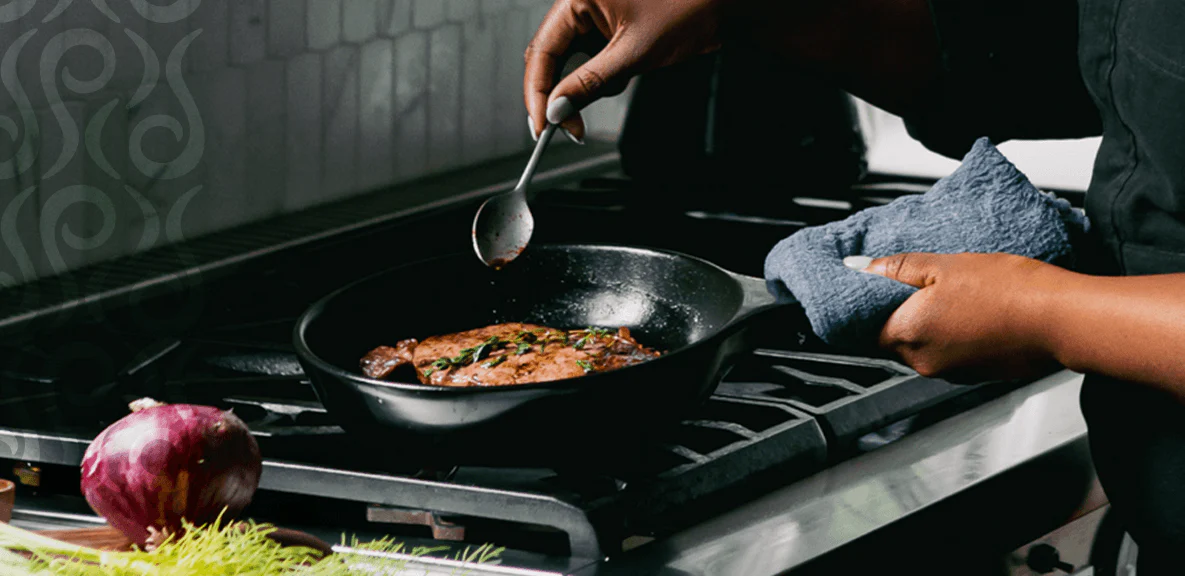

Frying pans are staples in every kitchen, yet their care is often an afterthought. Proper maintenance not only extends their life but also ensures food safety and consistent cooking results. This is especially true for non-stick frying pans, which offer convenience and require mindful care to maintain their non-stick qualities.
Whether you’re a seasoned home cook or just starting to build your cookware collection, this practical guide will help you maintain your frying pans the right way, regardless of the material.
Understand Your Pan Material
Each type of frying pan requires its own unique maintenance routine. Knowing what your pan is made of helps you avoid damage and get the best performance out of it.
Non-Stick
These pans are coated with a slick surface that reduces the need for oil and makes cleaning easier. However, they are sensitive to high heat and sharp utensils. Overheating or using metal tools can quickly degrade the coating.
Stainless Steel
Durable and non-reactive, stainless steel pans are excellent for browning and searing. They’re dishwasher-safe but benefit from gentle handwashing to maintain their polished look. They do not have non-stick properties, so proper preheating and oiling are crucial.
Cast Iron
Built to last a lifetime, cast-iron pans require seasoning, which means maintaining a protective layer of oil baked into the pan. They shouldn’t be washed with soap and must be dried immediately to prevent rust.
Ceramic-Coated
These have a natural non-stick layer without traditional chemicals. They’re popular for their aesthetic appeal and ease of use, but are more fragile than traditional non-stick options. Scratches and wear from harsh cleaning or stacking can degrade their coating.
Daily Maintenance Tips
Simple routines after each use will keep your frying pans performing well and looking new.
Allow to Cool Naturally
Never expose a hot pan to cold water. This sudden thermal shock can warp the metal or cause cracking in ceramic coatings. Always wait until your pan is at room temperature before washing.
Wash by Hand
Even if a frying pan claims to be dishwasher-safe, handwashing is always safer. Use a soft sponge, warm water, and mild detergent. Harsh scrubbers can ruin the surface, especially for non-stick or ceramic pans.
Avoid Prolonged Soaking
Soaking may seem like an easy fix for burnt-on food, but it can weaken coatings over time. Instead, let the pan soak for no more than 15–20 minutes and then scrub gently with a nylon brush or non-scratch pad.
Cooking Habits That Prolong Lifespan
What you do during cooking also affects your pan’s durability. Good habits help prevent unnecessary damage and wear.
Use the Right Utensils
Wooden, silicone, or plastic utensils are ideal for non-stick frying pans. Metal tools can easily scratch or chip the coating, reducing its non-stick ability and potentially releasing harmful particles.
Cook on Low to Medium Heat
High heat is rarely necessary, especially with non-stick cookware. Excessive temperatures can break down the coating and cause it to flake. For most cooking tasks, low to medium heat is sufficient.
Add Oil After Preheating
For stainless steel pans, adding oil after preheating creates a temporary non-stick layer and prevents food from sticking. This also reduces the chance of burning the oil, which can create stubborn residue.
Avoid Aerosol Sprays
Cooking sprays often leave behind a sticky residue that builds up over time, particularly on non-stick surfaces. It’s better to use a small amount of regular cooking oil or butter.
Long-Term Care and Storage
Beyond daily care, how you store and maintain your pans when not in use plays a major role in keeping them in prime condition.
Re-season cast Iron Regularly
If you use cast iron, make seasoning part of your routine. After cleaning and drying, apply a thin layer of vegetable oil and bake the pan upside down in a hot oven. This keeps the surface smooth, rust-free, and naturally non-stick.
Avoid Stacking Without Protection
Stacking frying pans without protection can cause scratches, especially on coated surfaces. Use a soft cloth or pan protector between pans if you need to stack them in a cabinet.
Store with Care
Hang pans on a wall-mounted rack or store them in a drawer with separators. Avoid tossing them into crowded cabinets, which increases the chance of chipping or warping.
Check Screws and Handles
Loose handles or wobbly screws can be a hazard in the kitchen. Every few weeks, inspect the hardware and tighten screws if needed. For riveted handles, check for any signs of rust or build-up and clean accordingly.
What to Avoid at All Costs
Real-Life FAQs
Q. Can I use non-stick frying pans on an induction hob?
A. Yes, but only if the base of the pan is magnetic. You can test this by placing a magnet at the bottom of the pan. If it sticks, it’s induction-compatible. Always check the label for compatibility symbols before purchase.
Q. What should I do if the non-stick coating starts to peel?
A. Once a non-stick coating starts flaking or peeling, the pan should be replaced. Cooking on a compromised surface is not only ineffective but may also lead to ingestion of particles that could be harmful over time.
Q. How often should I replace my frying pans?
A. For non-stick pans, a good rule of thumb is every 3–5 years, depending on usage. Stainless steel and cast iron pans, on the other hand, can last decades with proper care.
Q. Is it safe to cook acidic foods in my frying pan?
A. Acidic foods like tomato sauce can react with certain metals, particularly in uncoated aluminium or cast iron pans that aren’t seasoned well. Use stainless steel or coated pans for such recipes to avoid unwanted flavours or damage.
Q. How do I remove stubborn burnt-on food without scratching the surface?
A. Create a paste with baking soda and a bit of water. Apply it to the burnt area, let it sit for 10–15 minutes, and then use a non-scratch scrubber to lift the residue gently.
Maintaining your frying pans doesn’t have to be complicated. With a few simple habits and the right care, your cookware will remain reliable, efficient, and safe for many years to come.