
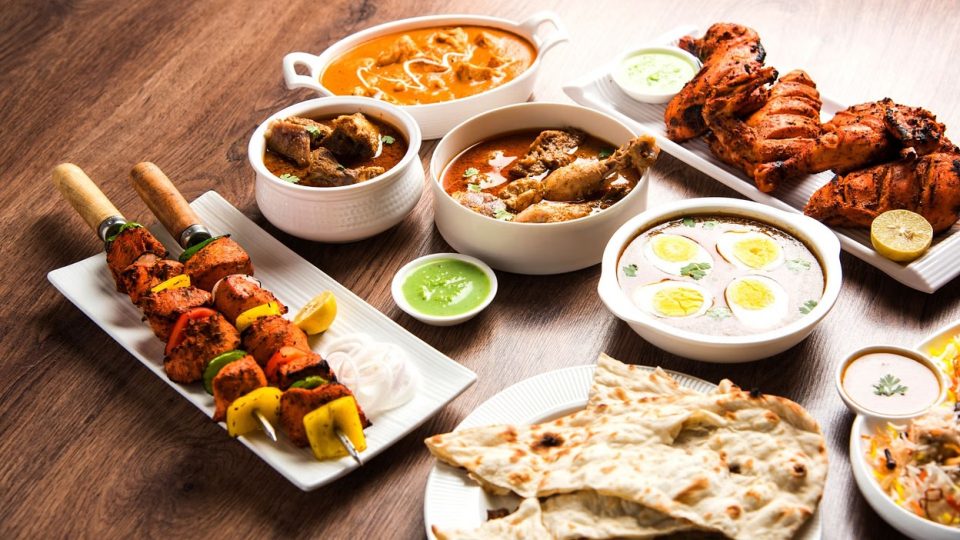
Cooking is more than just combining ingredients; it’s an art, a science, and for many, a therapeutic activity. Whether you’re a beginner eager to improve your skills or an experienced cook aiming to refine your techniques, understanding and applying practical cooking tips can transform ordinary meals into extraordinary experiences. From enhancing flavor to improving efficiency, these cooking tips will help you elevate your culinary game.
Understanding the Basics of Cooking
Before diving into advanced techniques, it’s crucial to grasp the foundational aspects of cooking. Many culinary mishaps stem from overlooking simple principles.
Know Your Ingredients
- Freshness Matters: Fresh ingredients offer better flavor and nutritional value. Use seasonal vegetables, fresh herbs, and quality proteins for the best results.
- Understand Ingredients’ Behavior: Different ingredients react uniquely to heat, acid, and seasoning. For example, tomatoes become sweeter when roasted, while onions caramelize to add depth to dishes.
- Proper Storage: Learning how to store ingredients correctly preserves their freshness. Leafy greens should be wrapped in paper towels and kept in the fridge, while dry spices should be stored in airtight containers away from heat.
Invest in Essential Kitchen Tools
- Sharp Knives: A sharp knife is safer and more efficient. Invest in a quality chef’s knife and learn proper cutting techniques.
- Cookware: Nonstick pans, cast-iron skillets, and stainless steel pots serve different purposes. Understanding which tool to use can drastically affect your cooking outcome.
- Measuring Tools: Precision is crucial, especially in baking. Use measuring cups, spoons, and a kitchen scale to ensure accurate quantities.
Timing and Temperature: Key to Perfect Dishes
Cooking isn’t just about following a recipe; it’s about mastering timing and temperature.
Temperature Control
- Low and Slow vs. High Heat: Certain dishes, like stews or braised meats, require slow cooking to develop flavor, while stir-fry dishes benefit from high heat for quick cooking.
- Preheating: Preheat your oven or pan before cooking. This ensures even cooking and prevents sticking.
- Use a Thermometer: Meat thermometers prevent undercooking or overcooking proteins. Poultry should reach 165°F, while steaks vary depending on desired doneness.
Timing Techniques
- Prep Before Cooking: Chop, measure, and organize ingredients before starting. This makes the cooking process smoother and less stressful.
- Staggered Cooking: Start cooking items that take longer first. For example, roast root vegetables before tender greens to avoid overcooking.
- Resting Time: Let cooked meat rest before slicing to retain juices and improve flavor. Similarly, baked goods often benefit from cooling before serving.
Flavor Enhancement Tips
Flavor is the soul of any dish. Small adjustments can significantly improve your meals.
Seasoning
- Salt at the Right Time: Salting early in cooking allows flavors to penetrate, while finishing with a pinch enhances taste and presentation.
- Use Fresh Herbs: Fresh herbs provide vibrant flavors that dried ones may lack. Add delicate herbs like basil at the end to retain aroma.
- Acidity Balance: A squeeze of lemon juice or dash of vinegar can brighten a dish, balancing rich or fatty flavors.
Layering Flavors
- Sauté and Caramelize: Browning onions, garlic, or spices adds depth and complexity.
- Deglazing: Using wine, broth, or vinegar to lift fond (the caramelized bits stuck to the pan) enhances sauces and gravies.
- Spice Combinations: Experiment with spice blends. For instance, cumin and coriander create a warm base, while smoked paprika adds smokiness.
Efficient Cooking Techniques
Efficiency in the kitchen saves time and reduces stress, allowing you to focus on creating delicious meals.
Batch Cooking and Meal Prep
- Cook Once, Eat Twice: Preparing larger portions and storing them for future meals reduces cooking time during busy days.
- Pre-Chopped Vegetables: Wash, peel, and chop vegetables in advance for quicker meal assembly.
- Freezing for Convenience: Freeze sauces, soups, or proteins in portions to extend shelf life and simplify cooking.
Smart Cooking Practices
- One-Pot Meals: Minimize cleanup by preparing dishes in a single pot or pan.
- Cook with a Lid: Covering pans traps heat, cooks food faster, and conserves energy.
- Multitasking Safely: While one dish cooks, prepare sides or sauces to streamline the process.
Special Tips for Baking and Desserts
Baking is both an art and a science, requiring precision and patience.
Accurate Measurements
- Weight vs. Volume: Weighing ingredients is more accurate than using cups. Flour, for instance, compresses differently, affecting consistency.
- Room Temperature Ingredients: Eggs, butter, and milk at room temperature incorporate better, creating smoother batters.
Temperature and Timing
- Preheat Your Oven: Ensure your oven reaches the correct temperature before baking.
- Do Not Overmix: Overmixing batters can lead to dense or tough baked goods. Mix until just combined.
- Cooling and Storage: Cool baked goods completely to prevent sogginess. Store in airtight containers to maintain freshness.
Safety and Hygiene in Cooking
Safety and hygiene are crucial for both personal health and food quality.
Kitchen Hygiene
- Clean Surfaces: Wipe down counters and cutting boards frequently to prevent cross-contamination.
- Separate Raw and Cooked Foods: Use separate utensils and cutting boards for raw meat and ready-to-eat items.
- Handwashing: Wash hands thoroughly before and during cooking to maintain food safety.
Cooking Safety
- Prevent Burns: Use oven mitts and be cautious with hot oil.
- Proper Storage: Refrigerate perishables promptly. Avoid leaving food at room temperature for long periods.
- Fire Safety: Keep a fire extinguisher nearby and know basic procedures for handling kitchen fires.
Advanced Cooking Tips
For those looking to take cooking to the next level, consider these advanced techniques.
Experiment with Cooking Methods
- Sous Vide: Cooking food in vacuum-sealed bags at precise temperatures preserves moisture and flavor.
- Smoking: Adds depth and complexity to meats, cheeses, and even vegetables.
- Fermentation: Homemade pickles, yogurt, or kimchi can elevate meals and improve gut health.
Presentation and Plating
- Visual Appeal: Garnish with herbs, edible flowers, or drizzles of sauce. Presentation can enhance the dining experience.
- Plate Colors and Textures: Contrast textures and colors to make dishes more enticing.
- Portion Control: Balanced portions ensure a satisfying meal without overwhelming the plate.
Cooking Tips for Specific Ingredients
Different ingredients require unique techniques to bring out their best.
Vegetables
- Blanching brightens color and preserves nutrients.
- Roasting concentrates sweetness and caramelizes edges.
Meat and Poultry
- Marinating tenderizes and infuses flavor.
- Searing locks in juices before slow cooking.
Seafood
- Cook fish briefly to avoid dryness.
- Use acidic marinades like lemon juice to enhance flavor.
Grains and Legumes
- Rinse rice to remove excess starch.
- Soak beans to reduce cooking time and improve digestibility.
FAQ Section
1. How can I make my dishes more flavorful without adding extra salt?
Use herbs, spices, citrus, and umami-rich ingredients like mushrooms, soy sauce, or aged cheeses to boost flavor naturally.
2. What is the best way to avoid overcooking vegetables?
Cook vegetables on high heat for a shorter time, or blanch them and then shock in ice water to retain color, texture, and nutrients.
3. How can I prevent baked goods from sticking to the pan?
Use parchment paper, silicone baking mats, or lightly grease the pan with butter or oil before baking.
4. What’s a simple method to make meats juicier?
Marinate before cooking, sear to lock in juices, and allow meat to rest after cooking.
5. How do I store herbs to make them last longer?
Wrap fresh herbs in a damp paper towel, place them in a ziplock bag, and refrigerate. Some herbs can also be frozen in ice cube trays with olive oil.
6. Are there ways to cook faster without compromising taste?
Use pressure cookers, one-pot meals, or prep ingredients in advance to reduce active cooking time.
7. How can I improve my plating skills at home?
Focus on color contrast, portion balance, and garnishes. Use the rule of thirds for visual appeal and vary textures on the plate.
Mastering cooking is a journey, not a destination. By understanding ingredients, controlling temperature and timing, enhancing flavors, and implementing efficient techniques, you can elevate your meals from ordinary to extraordinary. These cooking tips serve as a guide to developing confidence and creativity in the kitchen while ensuring delicious, safe, and visually appealing results every time.
This article offers a comprehensive roadmap to better cooking, blending foundational skills with advanced techniques to help every home cook become a confident chef.
