
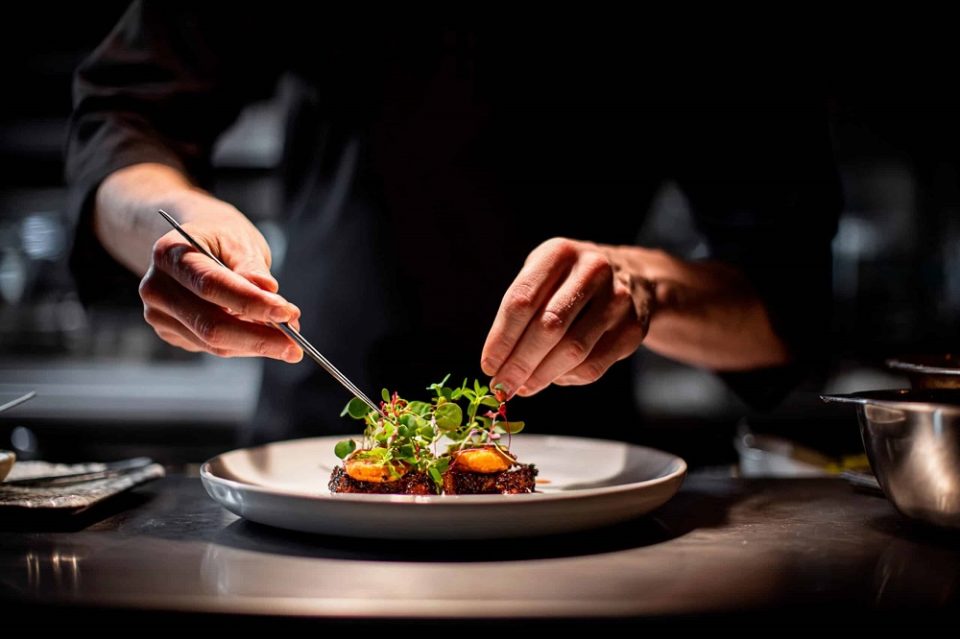
Fine dining has evolved far beyond the mere satisfaction of hunger or the display of technical precision. When diners step into an exceptional restaurant, they are seeking an experience that engages their intellect, emotions, and senses. While taste, texture, and aroma form the foundation of culinary art, the visual presentation on the plate serves as the initial point of connection. Plating is the visual language of the kitchen. Through deliberate arrangement, color theory, textural contrast, and purposeful service vessels, modern culinary artists transform food into an evocative narrative medium.
Chef storytelling through plating is an intentional practice. It weaves history, personal biography, ecological awareness, and cultural heritage into edible landscapes. When a dish arrives at the table, its visual composition communicates a message before the guest lifts a fork. Understanding how culinary professionals use presentation as a storytelling vehicle reveals the deep synergy between visual aesthetics and modern gastronomy.
The Evolution of Plating: From Symmetry to Narrative Expression
To appreciate how narrative plating operates today, one must understand how culinary presentation has shifted over decades of restaurant culture.
The Classical Era of Symmetry and Structure
For much of the twentieth century, Western fine dining was governed by the rigid tenets of classical French cuisine. Plating adhered to strict geometric rules. Centerpieces of roasted meat or poached fish occupied the lower portion of the plate, accompanied by uniform starch mounds at the upper left and tourneed vegetables at the upper right. Sauces were applied as heavy mirrors or precise pools. The goal was to signal control, standardized luxury, and flawless classical technique. The narrative was simple: technical mastery over nature.
The Rise of Modernism and Deconstruction
The late twentieth and early twenty-first centuries dismantled these rigid structures. Movements like nouvelle cuisine, followed by modernist and avant-garde gastronomy, challenged the idea that a plate had to look like a conventional meal. Chefs began deconstructing classic flavor pairings, scattering elements across wide porcelain canvases, and using negative space to evoke modern abstract art. Presentation became an intellectual dialogue about texture, temperature, and visual deceptions, setting the stage for deep storytelling.
Fundamental Visual Tools of Culinary Narrative
A chef crafts a narrative using specific aesthetic tools. Each component placed on the plate acts as a sentence within a broader story.
Color Palette and Psychological Impact
Color evokes immediate emotional resonance and contextual clues. A chef designing a dish inspired by the transition from summer to autumn will move deliberately from vibrant greens and pale yellows to deep ochres, burnt oranges, and rich purples.
-
Earth Tones: Brown reductions, charcoal powders, and root vegetable purees evoke forest floors, agricultural roots, and rustic landscapes.
-
Vibrant Contrasts: Bright herb oils, beet extractions, and edible petals interject freshness, youth, and biodiversity into the narrative.
-
Monochromatic Schemes: Designing a dish entirely in shades of white or black forces the diner to concentrate purely on subtle textural variations and aromatic nuances, creating a mood of minimalism and mystery.
Texture and Physical Topography
A flat plate rarely tells a compelling story. Culinary narratives rely on physical topography—hills, valleys, crags, and smooth planes. By building verticality and layering diverse textures, chefs create visual depth that mirrors the natural world.
The interplay between a rough, dehydrated crisp and a glossy, fluid puree visually communicates tension and harmony. When a diner sees charred leek bark resting beside a soft, pale cream, the visual contrast prepares the palate for the interplay of smokiness and sweetness.
Negative Space and Focus
Negative space is the deliberate unplated area of the dish. In culinary storytelling, empty space functions like a pause in speech or silence in a musical composition. It isolates the core subject, directing the diner’s eye to a single, high-impact focal point. A tiny, impeccably seared scallop positioned off-center on a massive dark slate communicates preciousness, solitude, and restraint far better than a crowded plate ever could.
Thematic Narratives Conveyed on the Plate
Chefs draw inspiration from varied sources, turning abstract ideas into tangible culinary statements.
Place, Terroir, and Ecological Context
One of the most potent themes in modern gastronomy is terroir—the unique sense of place tied to soil, climate, and geography. Chefs use visual arrangements to reflect the ecosystems from which their ingredients emerge.
-
Coastal Environments: A seafood dish might arrive on a bed of polished beach stones, surrounded by sea mist generated with dry ice, garnished with sea grapes, samphire, and edible sand made from toasted malt and pulverized dried shellfish.
-
Woodland Foraging: A wild mushroom course can be styled as an organic forest floor, featuring roasted fungi emerging from a soil of toasted rye crumb, dusted with spruce needle powder and accented with edible wood sorrel.
-
Arid Landscapes: Cured meats and succulents arranged on cracked earthenware suggest desert terrains, highlighting drought-tolerant agricultural traditions and survival.
Memory, Nostalgia, and Personal Heritage
Chefs often use plating to invite diners into their childhood memories or ancestral traditions. By referencing cultural rituals, street food presentations, or family meal habits, the plate becomes an intimate memoir.
A chef may present an elevated interpretation of a humble street snack inside a custom ceramic vessel modeled after a newspaper cone, or serve a refined dessert on an antique plate that evokes Sunday afternoons at a grandmother’s dining table. The presentation establishes an emotional bridge, allowing guests to experience the warmth of personal nostalgia through an upscale lens.
Commentary on Sustainability and Environmental Urgency
Modern chefs increasingly view their role as environmental advocates. Plating provides an immediate platform to address ecological crises, food waste, and oceanic health.
Dishes designed to highlight upcycled ingredients—such as vegetable trimmings transformed into decorative tuiles or fish bones calcified into mineral seasonings—visually demonstrate that nothing in nature is disposable. A course might feature invasive species plated alongside native flora, visually framing culinary consumption as an active ecological solution.
The Plate as a Canvas: Choosing the Right Vessel
The plate itself is not a passive tray; it is an active participant in the story. Modern chefs collaborate closely with local ceramicists, glassblowers, woodturners, and stonemasons to create bespoke vessels tailored to specific concepts.
-
Handmade Ceramics: Organic edges, unglazed clays, and raw matte finishes emphasize craftsmanship, wabi-sabi aesthetics, and rustic honesty.
-
Natural Materials: Slabs of river stone, carved driftwood, salt blocks, and mother-of-pearl shells root the dish firmly in nature.
-
Architectural Glass and Metal: Precision-cut glass cloches and brushed steel platforms evoke modernity, industrial innovation, and urban energy.
When the material of the vessel matches the provenance of the ingredient, the narrative achieves total coherence.
Tableside Theater and Dynamic Presentation
Storytelling is not always static. Many modern presentations unfold over time, transforming the dining room into an interactive theater.
Tableside Pouring and Transformations
A dish that arrives incomplete invites the guest to witness its final creation. When a service captain pours a warm, clear consomme over delicate raw herbs, causing them to wilt and release aromatics instantly, the diner participates in a transformative moment. Sauces that split intentionally to reveal hidden patterns, or broths that dissolve fragile sugar spheres, add movement and discovery to the meal.
Aromatic Infusions and Temperature Play
Scent and smoke enhance visual presentation. Trapping aromatic smoke from burning herbs inside a glass cloche and lifting it tableside creates an immediate visual unveiling paired with intense olfactory stimulation. The swirling vapor establishes a mysterious, dramatic atmosphere before the food is even touched.
Frequently Asked Questions
Does intricate storytelling through plating compromise the temperature of the food?
Balancing elaborate presentation with proper food temperature is one of the most demanding technical challenges in professional kitchens. Elite restaurants solve this through rigorous choreography, preheated or chilled plating surfaces, high staff-to-guest ratios, and infrared heat lamps positioned above assembly lines. Chefs design complex dishes so that intricate garnishes can be placed rapidly, ensuring hot elements reach the guest at peak temperature.
How do chefs ensure that aesthetic presentation does not overshadow flavor?
A successful culinary narrative requires flavor and presentation to support each other equally. High-level chefs design plating concepts only after flavor balances, seasoning profiles, and textural elements have been thoroughly refined. Every decorative flourish, oil dot, or crisp leaf must serve an intentional taste function. If an element looks beautiful but detracts from the flavor harmony, experienced chefs remove it.
Can casual restaurants utilize storytelling through presentation without high fine-dining budgets?
Yes. Storytelling does not require expensive custom dishware or rare ingredients. A casual diner can tell a compelling story through thoughtful vintage glassware, rustic cast-iron skillets, vibrant family-style communal platters, or distinct paper wrappings that pay homage to regional street food traditions. Clear thematic intent and thoughtful arrangement matter far more than luxury price tags.
What role does negative space play in modern culinary presentation?
Negative space prevents visual clutter and gives the diner’s eyes a place to rest. By leaving portions of the plate completely bare, the chef highlights the color, texture, and form of the plated ingredients. It builds a sense of elegance and focus, making the edible elements feel intentional, valuable, and refined.
How does the choice of flatware and utensils affect the plating narrative?
Utensils complete the sensory narrative. A chef who wants a guest to feel a raw, visceral connection to a dish might omit silverware entirely, instructing the diner to eat with their fingers. Conversely, providing antique silver, hand-forged steel knives, or carved wooden chopsticks reinforces specific cultural, historical, or rustic themes intended by the culinary concept.
Why have traditional, round white porcelain plates declined in modern tasting menus?
While round white plates remain a clean baseline for classical dining, modern tasting menus seek to evoke complex environments and emotional states. Bespoke ceramics with varied textures, organic shapes, dark glazes, and natural materials like slate or wood allow chefs to build multifaceted sensory worlds that standard factory-made porcelain cannot convey.
How do chefs balance modern visual trends with authentic culinary storytelling?
Authentic culinary storytelling begins with a genuine concept, such as a chef’s personal history, a specific agricultural region, or a historic recipe. Trends, such as using microgreens or vibrant sauce splashes, become superficial when applied without meaning. True culinary narrative ensures that every visual technique directly reinforces the core message of the dish rather than simply mimicking social media trends.
