
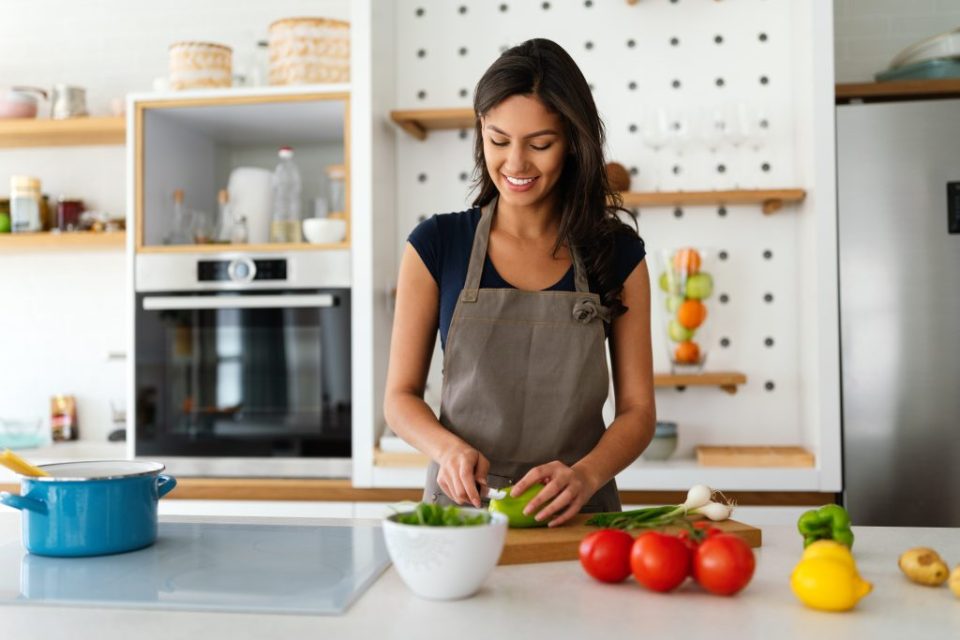
Cooking is one of the most rewarding life skills a person can develop. Preparing your own meals gives you direct control over your nutrition, saves substantial amounts of money compared to dining out, and offers a creative outlet at the end of a long day. Yet, many home cooks feel trapped in a cycle of culinary frustration. They follow complex recipes line by line, only to end up with dishes that taste bland, turn out dry, or take twice as long to prepare as expected.
Elevating your everyday home cooking does not require an expensive culinary school degree or a kitchen full of high-end appliances. Instead, meaningful improvement comes from understanding fundamental kitchen principles, mastering basic manual techniques, learning how to balance core flavors, and developing intuitive kitchen habits. Shifting your focus from strict recipe adherence to core cooking fundamentals will build confidence, speed, and flavor in every meal you prepare.
Master Fundamental Knife Skills and Preparation
The knife is the most important extension of a cook’s hand. Improving your cutting technique immediately speeds up preparation time, enhances kitchen safety, and directly improves the final texture and appearance of your food.
Invest in the Right Blade and Maintain It
You do not need a twenty-piece knife block set. In reality, ninety percent of daily kitchen tasks can be accomplished with just three blades:
-
Eight-Inch Chef’s Knife: The primary workhorse for slicing vegetables, mincing herbs, and butchering proteins.
-
Paring Knife: Ideal for delicate peeling, trimming small fruits, and precision tasks.
-
Serrated Bread Knife: Essential for cutting through crusty bread, ripe tomatoes, and tender baked goods without crushing them.
A dull knife is far more dangerous than a sharp one because it requires excessive downward force, increasing the likelihood of slipping. Keep your knives sharp using a whetstone or professional sharpening service, and use a honing steel regularly to keep the blade edge aligned.
The Importance of Uniform Knife Cuts
Chopping vegetables into uniform shapes and sizes is not just about visual aesthetics; it is a matter of thermal physics. If a diced potato contains pieces ranging from half an inch to two inches, the smaller pieces will turn into mush long before the larger pieces finish cooking. Consistent cuts ensure that every component in the pan cooks at the exact same rate.
Practice standard cuts like the dice, julienne, and rough chop using proper hand mechanics. Always curl the fingers of your guiding hand into a claw shape, resting the side of the blade against your knuckles while tucking your fingertips safely inward.
The Power of Mise en Place
Mise en place is a foundational French culinary term that translates to everything in its place. Before turning on any heat source, read through your plan, chop all your vegetables, measure your liquids, portion your proteins, and arrange your spices into small prep bowls.
Rushing to mince garlic while onions are already burning in hot oil causes stress and mistakes. Preparing all your ingredients beforehand makes the actual cooking process relaxed, organized, and precise.
Understand the Science of Heat Control
Cooking is the application of heat to alter the chemical structure of food. Understanding how different temperatures interact with fats, proteins, and carbohydrates allows you to achieve desired textures without burning your ingredients.
Preheating Pans and Managing Surface Temperature
One of the most frequent mistakes amateur cooks make is placing cold ingredients into a lukewarm skillet. To achieve proper caramelization, searing, and to prevent sticking, stainless steel and cast-iron cookware must be thoroughly preheated before adding cooking oil.
Once the pan is hot, add your fat and wait until it shimmers across the surface. Adding seasoned meat or vegetables to a properly heated pan creates an instant vapor barrier, sealing in moisture and creating a crisp, golden crust through the Maillard reaction.
Avoid Crowding the Pan
When too many ingredients are placed into a skillet at once, the pan surface temperature drops drastically. Furthermore, the moisture released by the food gets trapped beneath the ingredients rather than evaporating instantly.
Instead of searing and browning, overcrowded food ends up boiling in its own trapped steam, resulting in pale, soggy textures. Cook in batches whenever necessary to ensure adequate space between ingredients, allowing steam to escape freely.
Matching Technique to Heat Levels
-
High Heat: Best reserved for quick sears on steaks, stir-frying crisp vegetables, and boiling liquids.
-
Medium Heat: The ideal baseline for sweating aromatics, sautéing delicate vegetables, pan-frying poultry, and building pan sauces.
-
Low and Gentle Heat: Necessary for melting butter without browning, poaching eggs, reducing delicate dairy sauces, and braising tough cuts of meat over several hours.
Learn to Season Dynamically by Taste
Great cooking relies on balance. Rather than measuring salt and spices with rigid spoons, exceptional cooks taste their food constantly at every stage of the cooking process, adjusting flavor elements until the dish harmonizes.
The Proper Use of Salt
Salt is not merely a seasoning; it is a flavor amplifier. Salt suppresses bitterness, enhances perceived sweetness, and draws out the natural aromatic compounds of meats and vegetables.
-
Season Early and Season in Layers: Adding a pinch of salt to onions as they sweat draws out moisture and concentrates sweetness. Seasoning proteins hours ahead of cooking allows sodium ions to penetrate deep into the muscle tissue, improving tenderness and moisture retention.
-
Use Kosher Salt: Kosher salt has larger, coarser grains than standard iodized table salt, making it much easier to pinch, control, and distribute evenly across food without over-salting.
Brightening Dishes with Acid
When a homemade dish tastes flat, heavy, or one-dimensional, home cooks often mistakenly add more salt. In most cases, what the dish truly lacks is acidity.
Acid provides a bright contrast that cuts through richness, balances sweetness, and wakes up the palate. Keep a variety of acidic ingredients stocked in your pantry and finish savory dishes with a small splash right before serving:
-
Freshly squeezed lemon or lime juice.
-
Red wine vinegar, apple cider vinegar, or rice vinegar.
-
Fermented additions like capers, mustard, or yogurt.
Harnessing Fat and Umami
Fat carries flavor compounds across the tongue and provides satisfying mouthfeel. Swirling a knob of cold butter into a finished pan sauce creates a glossy, rich emulsion.
To add savory depth, incorporate ingredients rich in glutamates, such as aged Parmesan cheese rinds, soy sauce, tomato paste, anchovies, or dried mushrooms. These umami boosters give soups, stews, and sauces an enduring, savory complexity.
Build a Smart, Well-Stocked Pantry
Being able to cook a delicious meal on a busy weeknight depends heavily on what you have on hand. A strategic pantry allows you to assemble flavorful dishes without making frantic trips to the grocery store.
-
Oils and Vinegars: Extra virgin olive oil for finishing and dressings, high-smoke-point neutral oil (such as avocado or canola) for searing, along with balsamic, red wine, and rice vinegars.
-
Aromatics: Fresh garlic, whole yellow onions, shallots, and fresh ginger root form the baseline foundation of nearly every global cuisine.
-
Dry Goods and Canned Staples: Quality dried pastas, jasmine or basmati rice, canned whole peeled San Marzano tomatoes, dried lentils, and canned chickpeas.
-
Whole Spices: Whole black peppercorns, cumin seeds, coriander, and smoked paprika. Toasting whole spices in a dry skillet before grinding them releases aromatic oils that pre-ground powders lose over time.
Clean as You Go for a Stress-Free Kitchen
Professional chefs maintain clean, organized workstations throughout their shifts. Letting dirty cutting boards, sticky measuring spoons, and greasy pans pile up in the sink creates visual chaos and mental fatigue.
Adopt the habit of washing tools, wiping down counters, and putting away ingredient containers during natural cooking lulls—such as while waiting for water to boil or a sauce to simmer. Finishing your cooking session with clean countertops makes the dining experience significantly more enjoyable and turns kitchen cleanup into a quick, effortless routine.
Frequently Asked Questions
What is the best way to salvage a dish that has been accidentally over-salted?
If a soup, stew, or sauce is too salty, you can dilute it by adding more unseasoned liquid, such as water, unsalted broth, cream, or coconut milk. Alternatively, introducing a splash of acid (like lemon juice or vinegar) paired with a small pinch of sugar can help mask the perception of excess salt. Adding more bulk ingredients, such as unsalted cooked potatoes, rice, or extra vegetables, also helps distribute the sodium across a larger volume of food.
How do I stop onions from burning when sauteing them with garlic?
Garlic contains high amounts of natural sugars and significantly less moisture than onions, meaning it cooks and burns much faster. To prevent bitter, burned garlic, always add your diced onions to the pan first and cook them until they soften and become translucent. Add minced garlic only during the final sixty to ninety seconds of sautéing before introducing liquids or other ingredients.
Why does meat stick to stainless steel pans, and how can I prevent it?
Meat sticks to stainless steel when the pan is not hot enough or when the meat is moved too early. Preheat the dry pan over medium heat, add your oil, and wait until the fat is shimmering. Pat the surface of the meat completely dry with paper towels before placing it in the pan. Once the meat hits the hot metal, leave it undisturbed; as the proteins sear and develop a caramelized crust, the meat will naturally release from the pan surface on its own.
How can I make my dried herbs taste more potent in cooked meals?
Dried herbs contain concentrated essential oils that need heat and fat to rehydrate and bloom. Rather than sprinkling dried herbs onto a dish at the very end of cooking, add them early in the process when sautéing your aromatics in oil or butter. Rubbing the dried leaves vigorously between the palms of your clean hands before adding them to the pan also crushes the cell walls, releasing trapped aromatic oils.
What is the most effective way to store fresh herbs so they do not turn slimy?
Tender stem herbs like cilantro, parsley, and basil should be treated like fresh flowers. Trim the bottom of the stems and place the herb bunch upright in a small glass jar containing an inch of fresh water. Store parsley and cilantro in the refrigerator loosely covered with a plastic bag, while basil should be kept at room temperature on the counter away from direct sunlight, as refrigerator temperatures turn basil leaves black.
When should I use butter versus cooking oil for pan-searing?
Standard butter contains milk solids and water, giving it a low smoke point that burns easily at high temperatures. For high-heat searing of steaks, pork chops, or burgers, start with a high-smoke-point oil like avocado or canola oil to build a golden crust. You can add butter, along with fresh herbs and garlic cloves, during the final minute of cooking over reduced heat, basting the melted butter over the meat to add rich flavor without burning the dairy solids.
How do I know when oil is hot enough for frying without a kitchen thermometer?
You can test the temperature of frying oil using the handle of a clean, dry wooden spoon. Dip the tip of the wooden handle into the hot oil; if steady, active bubbles immediately form around the wood and float to the surface, the oil is ready for frying. If no bubbles appear, the oil is too cold; if the oil bubbles vigorously and smokes, it is too hot and should be removed from the heat briefly to cool down.
