
The global bakery landscape is undergoing one of the most dynamic shifts in modern culinary history. For centuries, eggs were regarded as an indispensable cornerstone of pastry arts, providing the structural scaffolding, aeration, emulsification, and richness required to create sponges, mousses, custards, and cookies. A dessert made without eggs was often dismissed as a compromise—a dense, flat, or gummy imitation reserved strictly for those with severe dietary restrictions.
Today, that perception has completely transformed. Driven by expanding lifestyle choices, heightened allergen awareness, cultural traditions, supply chain volatility, and groundbreaking advancements in food science, eggless confectionery has surged into mainstream popularity. Artisanal bakeries, multinational food manufacturers, and boutique pastry chefs worldwide now treat egg-free recipe development as an essential pillar of their regular offerings rather than a niche afterthought.
Key Drivers Behind the Eggless Movement
The surge in demand for eggless baked goods is not an isolated fad. Instead, it represents the convergence of multiple cultural, medical, ethical, and economic factors reshaping how consumers choose their sweet treats.
Dietary Allergies and Health Sensitivities
Egg allergies represent one of the most common food allergies globally, particularly among infants and young children. For parents and educational institutions, hosting inclusive birthday celebrations, school events, and social gatherings without risk of cross-contamination has made allergen-conscious bakeries essential.
Beyond acute clinical allergies, an increasing segment of the population seeks to manage cholesterol intake or improve overall digestive wellness. Eggs are naturally high in dietary cholesterol, prompting health-conscious individuals to seek lighter, plant-forward dessert alternatives that fit their daily wellness goals.
The Rise of Plant-Based Living and Ethical Consumption
The rapid growth of vegetarianism, veganism, and flexitarian lifestyles has fundamentally expanded the addressable market for egg-free desserts. Consumers increasingly scrutinize the ethical and environmental footprint of animal agriculture.
-
Animal Welfare Concerns: Many buyers actively avoid purchasing products derived from industrial poultry farming and battery-cage systems.
-
Environmental Sustainability: Plant-based baking ingredients generally demand fewer water resources, generate lower greenhouse gas emissions, and reduce land utilization compared to conventional animal farming.
-
Flexitarian Dining: Millions of consumers who do not identify as strict vegans still intentionally choose plant-based desserts several times a week to lower their personal environmental impact.
Cultural and Religious Traditions
In several parts of the world, eggless baking is deeply ingrained in heritage rather than emerging as a modern trend. In India, for example, a vast demographic adheres to lacto-vegetarian dietary customs, creating a thriving, multi-billion-dollar domestic market for pure vegetarian cakes, pastries, and sweets.
As global migration, international travel, and cross-cultural culinary exchanges expand, these time-tested traditions have influenced global dessert culture. Western commercial bakeries and luxury hospitality brands now routinely formulate eggless recipes to cater to diverse international travelers and cosmopolitan communities.
Economic and Supply Chain Volatility
Commercial bakeries face recurring price spikes and supply disruptions caused by seasonal outbreaks of avian influenza and fluctuating grain feed prices. For industrial producers and small bakery owners alike, relying entirely on fresh shell eggs or pasteurized liquid egg products introduces substantial operational risk.
Transitioning toward stable, plant-derived binders and egg replacers offers cost predictability, simplifies warehouse storage, extends product shelf stability, and protects operational margins against unpredictable agricultural market shocks.
The Food Science of Egg-Free Confectionery
Creating an exceptional cake without eggs requires understanding the precise physical and chemical roles eggs play in baking, followed by identifying sophisticated plant-based substitutes that replicate those specific functions.
Deconstructing the Functional Roles of Eggs
In traditional baking chemistry, whole eggs perform multiple simultaneous tasks:
-
Leavening and Aeration: Whipped egg whites trap micro-bubbles of air within an elastic protein matrix, expanding under oven heat to give sponge cakes and souffles their signature rise and airy crumb.
-
Structural Binding: Egg proteins coagulate when exposed to heat, setting the crumb structure and preventing delicate cakes from collapsing under their own weight.
-
Emulsification: The natural lecithin contained in egg yolks binds water-based liquids and fats together into a smooth, homogeneous batter, ensuring uniform crumb distribution and preventing greasy separation.
-
Moisture and Tenderness: The water and fat content in eggs hydrate flour starches while coating gluten strands, keeping the finished crumb moist and tender.
-
Color and Flavor: Amino acids in egg proteins react with reducing sugars during baking—a chemical process known as the Maillard reaction—yielding rich golden browning and deep aromatic notes.
Modern Plant-Based Alternatives and Formulations
Replicating these complex interactions without eggs requires specialized combinations of ingredients tailored to each pastry style:
-
Aquafaba: The viscous liquid derived from cooking chickpeas has revolutionized egg-free pastry. Rich in soluble proteins, saponins, and starches, aquafaba can be whipped into stiff, glossy peaks capable of producing delicate meringues, French macarons, and light sponge cakes.
-
Cultured Dairy and Plant Yogurts: In traditional lacto-vegetarian sponge recipes, yogurt combined with baking soda provides lactic acid that reacts vigorously to generate carbon dioxide gas, producing exceptional lift and a tender, melt-in-the-mouth texture.
-
Condensed and Evaporated Milks: Widely used in fudgy brownies, dense loaf cakes, and rich frostings, sweetened condensed milk provides protein, milk solids, and caramelized sugars that mimic the rich binding and browning qualities of whole eggs.
-
Hydrocolloids and Plant Starches: Ingredients such as xanthan gum, guar gum, methylcellulose, and modified tapioca starch stabilize moisture, improve batter viscosity, and create a resilient crumb structure that holds up during slicing and decorating.
-
Functional Seed Gels: Ground flaxseeds and chia seeds hydrated in water form mucilage gels that provide reliable binding, moisture retention, and rich nutty notes in rustic cakes, muffins, and cookies.
Commercial Innovation and Market Adoption
The commercial dessert sector has recognized that high-quality eggless products no longer require compromise on flavor, presentation, or texture.
Luxury Patisseries and Artisanal Bakeries
Leading pastry chefs in global culinary capitals like New York, London, and Paris are actively exploring egg-free pastry techniques. Rather than simply substituting ingredients in classical recipes, modern pastry innovators develop bespoke flavor pairings that highlight the natural qualities of plant ingredients—such as cold-pressed olive oils, citrus emulsions, roasted nut butters, and single-origin chocolates.
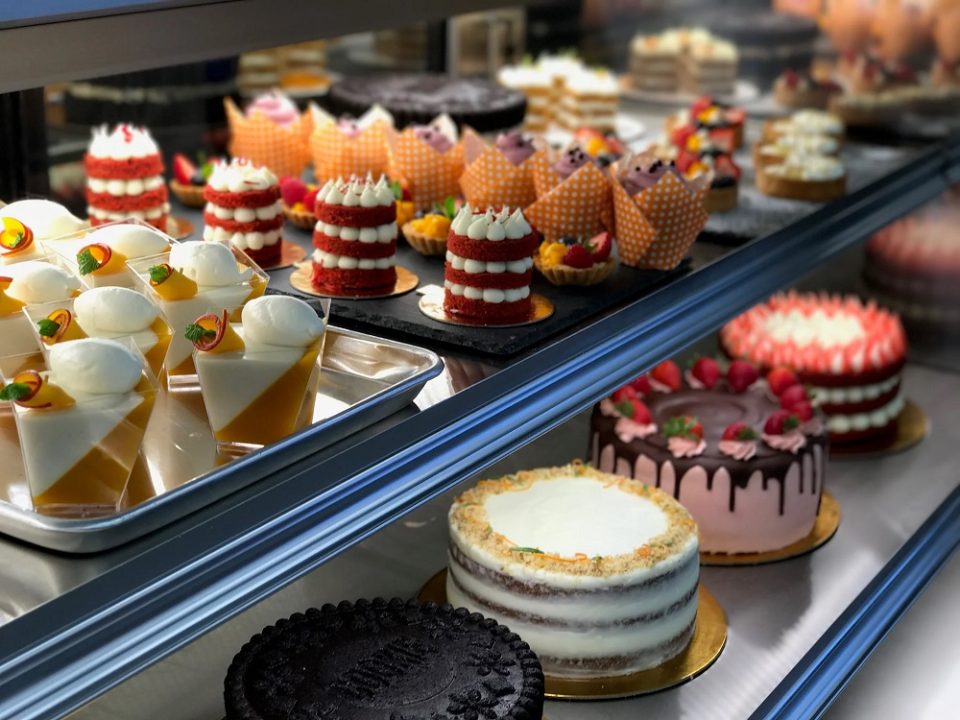
These modern creations sit alongside traditional offerings in high-end display cases, frequently matching or exceeding them in visual refinement, texture, and taste.
Packaged Goods and Convenience Mixes
Supermarket aisles reflect the growing consumer appetite for accessible home baking solutions. Major consumer packaged goods brands now manufacture egg-free cake mixes, ready-to-eat microwave mugs, refrigerated cookie doughs, and long-shelf-life packaged pastries.
By utilizing precision-blended dry egg replacers made from pea protein, potato starch, and natural leaveners, these products allow home bakers to produce consistent, bakery-quality desserts simply by adding water and oil.
Frequently Asked Questions
Can eggless cakes achieve the same airy height and rise as traditional sponge cakes?
Yes. By balancing chemical leaveners like baking powder and baking soda with acidic activators such as yogurt, vinegar, buttermilk, or lemon juice, eggless batters generate abundant carbon dioxide bubbles during mixing and baking. When paired with structured starches and proper oven temperatures, eggless sponge cakes achieve identical volume, lift, and lightness.
Why do some eggless cakes tend to feel overly dense or gummy?
Gumminess in eggless baking typically occurs when batters are overmixed or contain excessive liquid relative to starches and leaveners. Overmixing develops excess gluten in the flour without the coagulating protein structure of eggs to support it. To avoid a dense texture, mix batters gently until just combined and ensure leavening agents are fresh and measured accurately.
How does the absence of eggs affect the shelf life of a freshly baked cake?
Eggless cakes often retain their internal moisture longer than traditional cakes because ingredients like yogurt, applesauce, condensed milk, and plant starches hold onto water molecules effectively. Furthermore, eliminating fresh egg proteins reduces the risk of rapid spoilage, allowing properly stored eggless cakes to remain fresh and tender at room temperature for several days.
What is the most effective egg substitute for rich, chewy chocolate brownies?
For dense, fudgy baked goods like brownies, fruit purees such as unsweetened applesauce, mashed ripe bananas, or silken tofu blended with melted chocolate provide ideal binding and moisture without creating excess air pockets. Sweetened condensed milk or flaxseed gels also yield an authentic chewy texture with a shiny, crackled top surface.
Are all commercial eggless desserts automatically suitable for vegan diets?
No. Many traditional eggless desserts, especially within lacto-vegetarian baking traditions, utilize dairy components such as cow milk, butter, yogurt, and sweetened condensed milk. While these treats are completely free of eggs, they are not vegan. Consumers seeking purely vegan desserts must verify that the recipe uses plant-based dairy substitutes like oat milk, coconut oil, or almond butter.
How do commercial bakers achieve a rich golden crust on eggless pastries without an egg wash?
Bakers use various plant-based washes to promote surface browning and shine. Brushing doughs with a mixture of warm soy milk and maple syrup, sweetened condensed milk, melted apricot jam, or a light coating of coconut cream before baking triggers surface caramelization and produces a glossy, golden-brown crust.
Can whipped egg whites in delicate mousses be replaced without synthetic additives?
Yes. Aquafaba, the cooking liquid from chickpeas, can be reduced, chilled, and whipped with sugar and a pinch of cream of tartar to create a stable, natural foam. When folded gently into melted dark chocolate or fruit reductions, whipped aquafaba sets into a light, airy mousse with zero legume aftertaste.
